


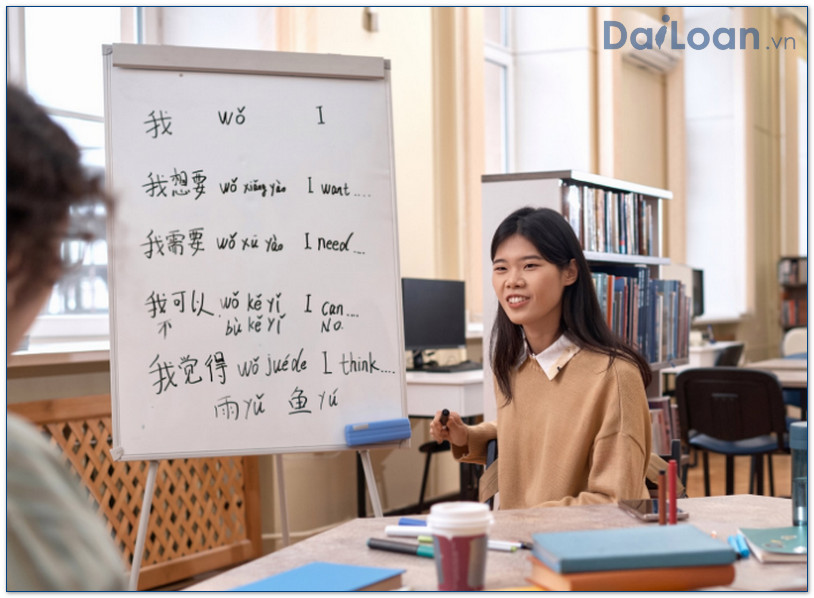
The Chinese term 小姐 (xiǎojiě) is a common expression that carries various meanings depending on the context. Whether you’re a linguistics enthusiast or just someone wanting to brush up on your Chinese language skills, understanding 小姐 is essential. Throughout this article, we will explore the meaning, grammatical structure, and example sentences of 小姐 to deepen your comprehension.
What Does ‘小姐 (xiǎojiě)’ Mean?
Traditionally, 小姐 translates to “miss” or “young lady” in English. However, its connotation can vary significantly based on regional usage and context.
1. **Polite Address**: In many situations, 小姐 is used as a polite form of address for young women. For example, a customer service representative might refer to a female customer as “小姐” as a sign of respect.
2. **Informal Context**: In some regions, particularly in a more informal or casual setting, 小姐 can refer to a woman who is unmarried.
3. **Controversial Use**: It is important to note that in certain contexts, especially in some places in China, 小姐 has taken on a negative connotation, associated with the sex industry. This has led to sensitivity around its use, and many young women prefer not to be addressed as 小姐.
The Grammatical Structure of ‘小姐’
In terms of grammatical structure, 小姐 is a noun made up of two characters: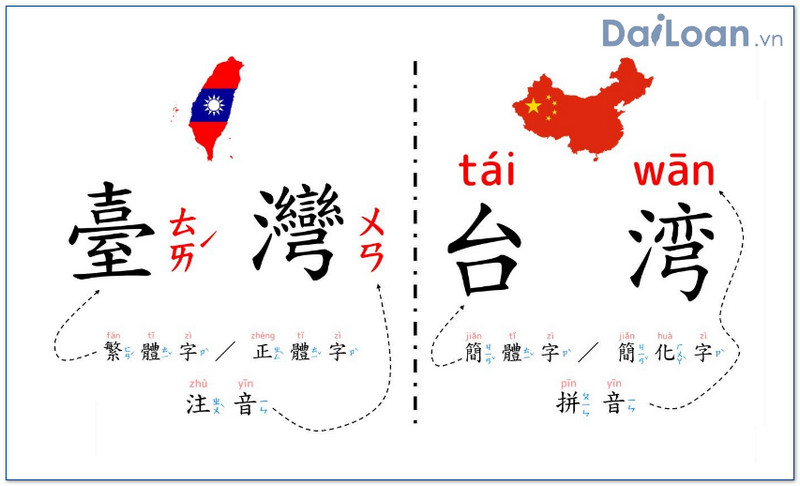

- 小 (xiǎo): Meaning “small” or “young.”
- 姐 (jiě): Meaning “older sister” or, by extension, a term of affection or respect for a young woman.
When combined, 小姐 conveys the idea of a “young lady” or “miss.” The use of 小 indicates youthfulness, while 姐 adds a layer of familiarity and respect.
Pronunciation Guide
The pronunciation of 小姐 (xiǎojiě) is straightforward. It is divided into two syllables:
- xiǎo – pronounced like “shyow” with a rising tone.
- jiě – pronounced like “jyeh” with a falling tone.

Example Sentences Using ‘小姐’
To solidify your understanding, we will provide some practical example sentences showcasing the term 小姐.
Polite Address Examples
- 你好,小姐!(Nǐ hǎo, xiǎojiě!) – “Hello, Miss!”
- 小姐,请问您需要什么帮助?(Xiǎojiě, qǐngwèn nín xūyào shénme bāngzhù?) – “Miss, may I ask what you need help with?”
Informal Context Examples
- 我刚遇见一个小姐。(Wǒ gāng yùjiàn yīgè xiǎojiě.) – “I just met a young lady.”
- 这个小姐的笑容很漂亮。(Zhège xiǎojiě de xiàoróng hěn piàoliàng.) – “This young lady has a beautiful smile.”
Contextual Sensitivity Example
- 很多人认为现在叫女性小姐并不合适。(Hěnduō rén rènwéi xiànzài jiào nǚxìng xiǎojiě bìng bù héshì.) – “Many people believe that addressing women as ‘小姐’ is not appropriate nowadays.”
Conclusion
Understanding the term 小姐 (xiǎojiě) involves recognizing its various meanings and implications within the Chinese language. While it primarily denotes a young lady or miss, being aware of the contexts in which it is used can enhance your communication skills. As language learners or enthusiasts, paying attention to cultural nuances is key to effective interaction.
By incorporating these insights into your language studies, you can better appreciate the depth of Chinese and navigate everyday conversations with confidence!


Sứ mệnh của Chuyên là giúp đỡ và truyền cảm hứng cho các bạn trẻ Việt Nam sang Đài Loan học tập, sinh sống và làm việc. Là cầu nối để lan tỏa giá trị tinh hoa nguồn nhân lực Việt Nam đến với Đài Loan và trên toàn cầu.
CÓ THỂ BẠN QUAN TÂM
Du học Đài Loan
Lao Động Đài Loan
Việc Làm Đài Loan
Đơn Hàng Đài Loan
Visa Đài Loan
Du Lịch Đài Loan
Tiếng Đài Loan
KẾT NỐI VỚI CHUYÊN
Zalo: https://zalo.me/0936126566
Website: www.dailoan.vn