


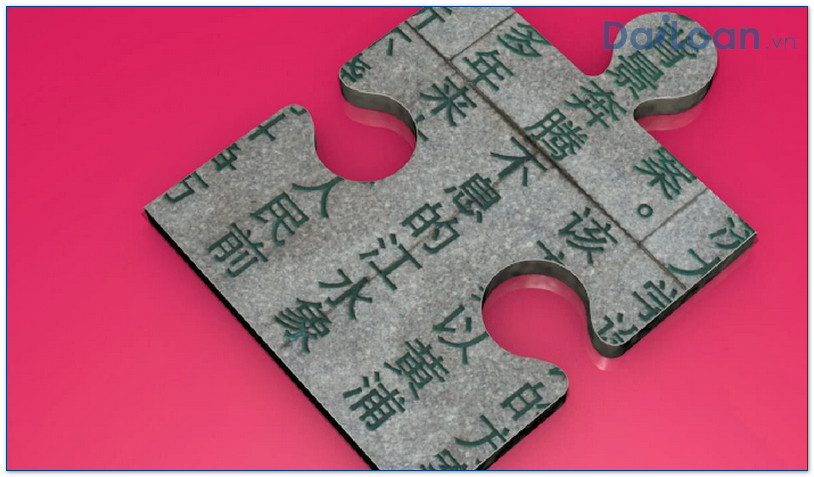
Introduction to 精 (jīng)
The Chinese character 精 (jīng) holds a significant place in the Chinese lexicon, embodying a rich set of meanings that extend beyond its surface-level interpretation. As a language expert with over two decades of experience, I invite you to delve into the multifaceted meaning, grammatical structures, and practical usage of 精 in everyday language.
Meaning of 精 (jīng)
At its core, 精 primarily means “essence,” “refined,” or “spirit.” It signifies a pure or concentrated form of something, embodying qualities of excellence and high standards. Interestingly, 精 can also relate to spirit or energy, capturing a sense of vitality and liveliness.
Here are some common meanings associated with 精:
- Essence: The fundamental quality of something.
- Refined: Something that has been processed to enhance its characteristics.
- Spirit: The animating or vital principle in humans.
- Focus: The act of concentrating on a task or subject.
Grammatical Structure of 精
As a noun, 精 can be used both independently and as a component in compound words. Its grammatical versatility allows it to be combined with other characters to create terms that convey specific meanings in various contexts.
Adjective Form
When used as an adjective, 精 describes something of high quality or high concentration. For example, 精美 (jīngměi) means “exquisite,” while 精确 (jīngquè) translates to “precise.”
Verb Form
The character 精 can also function as a verb in certain contexts. For instance, 精炼 (jīngliàn) means “to refine” or “to distill,” illustrating its dynamic utility in the language.
Compound Words
精 appears in various compound words that expand its meaning and use. Here are a few notable examples:
- 精华 (jīnghuá): Refers to “essence” or “cream” in a figurative sense.
- 精英 (jīngyīng): Means “elite” or “the cream of the crop.”
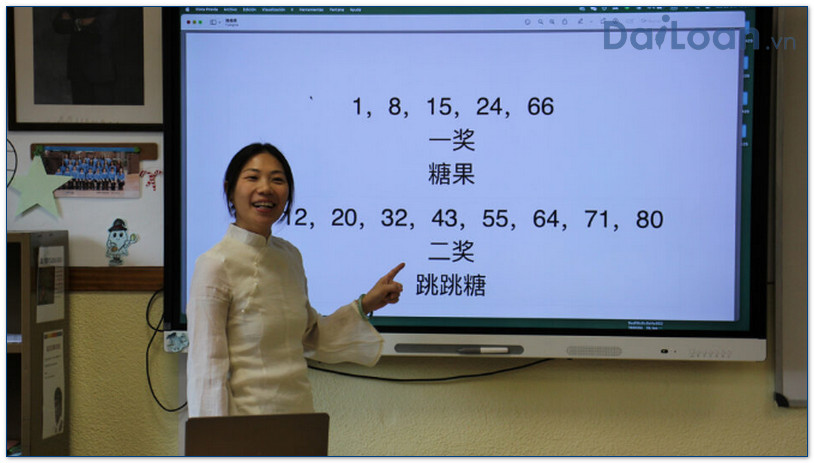
- 精神 (jīngshén): Translates to “spirit” or “mind.”

Example Sentences Using 精
Understanding the practical application of 精 in sentences helps solidify your grasp of this character. Here are some examples:
1. Using 精 in Descriptive Contexts
他是一个精明的商人。
(Tā shì yīgè jīngmíng de shāngrén.)
“He is a shrewd businessman.”
2. Expressing Quality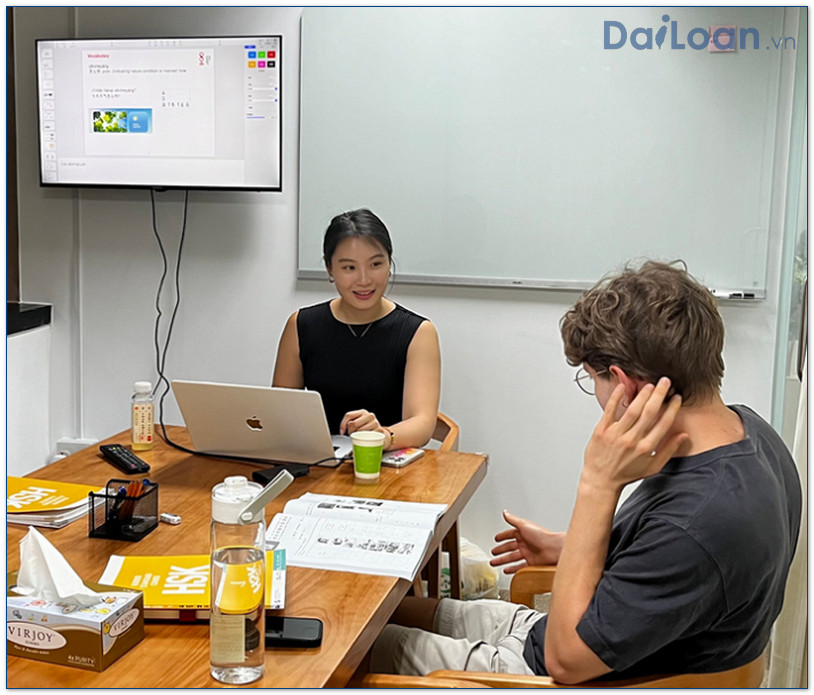

这件衣服的质量非常精良。
(Zhè jiàn yīfú de zhìliàng fēicháng jīngliáng.)
“The quality of this clothing is exceptionally fine.”
3. Discussing Spirit or Energy
她充满了精力。
(Tā chōngmǎnle jīnglì.)
“She is full of energy.”
4. In Refined Objects
这部电影的剧情结构非常精致。
(Zhè bù diànyǐng de jùqíng jiégòu fēicháng jīngzhì.)
“The plot structure of this movie is very refined.”
Conclusion
精 (jīng) is a character deeply embedded in the Chinese language, symbolizing quality, spirit, and essence. Its varied meanings and grammatical forms make it a versatile addition to your vocabulary. By exploring its usage in sentences, learners can better appreciate its significance and apply it in diverse contexts. Integrating 精 into your language practice will undoubtedly enhance your fluency and understanding of Chinese culture.


Sứ mệnh của Chuyên là giúp đỡ và truyền cảm hứng cho các bạn trẻ Việt Nam sang Đài Loan học tập, sinh sống và làm việc. Là cầu nối để lan tỏa giá trị tinh hoa nguồn nhân lực Việt Nam đến với Đài Loan và trên toàn cầu.
CÓ THỂ BẠN QUAN TÂM
Du học Đài Loan
Lao Động Đài Loan
Việc Làm Đài Loan
Đơn Hàng Đài Loan
Visa Đài Loan
Du Lịch Đài Loan
Tiếng Đài Loan
KẾT NỐI VỚI CHUYÊN
Zalo: https://zalo.me/0936126566
Website: www.dailoan.vn