


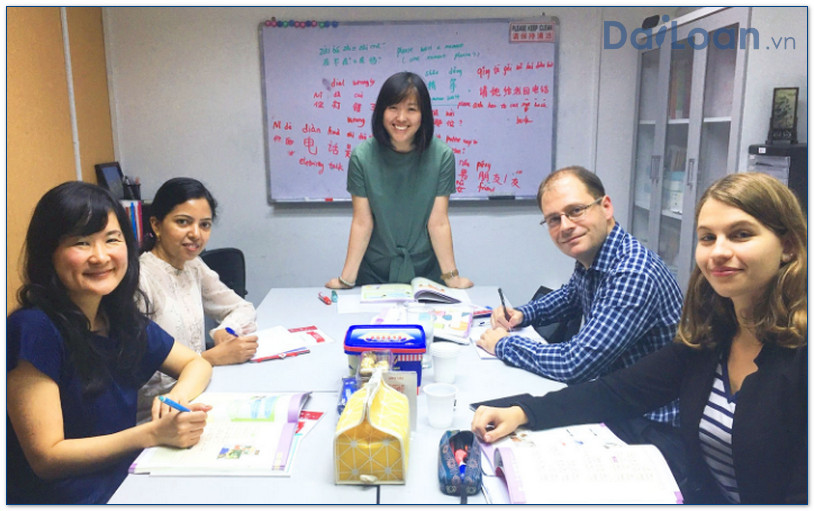
In the realm of the Chinese language, few concepts encapsulate the spirit of positivity and warmth as effectively as the term 開朗 (kāi lǎng). This article delves into the meaning, grammatical structure, and various example sentences that showcase how this term is used in everyday conversation.
What Does 開朗 (kāi lǎng) Mean?
The term 開朗 (kāi lǎng) is primarily an adjective, and it translates to “cheerful,” “open,” or “bright.” It describes a person who possesses a lively, optimistic, and positive disposition. Beyond just a simple description, 開朗 embodies an attitude that is inviting and encouraging, often associated with social interactions and personal charisma.
The Nuances of 開朗
While 開朗 mainly connotes cheerfulness, its usage can extend to various contexts:

- Emotional State: Reflecting a person’s internal feelings of happiness and positivity.
- Interpersonal Relationships: Indicating someone who is approachable and easy to talk to.
- Cultural Significance: In Chinese culture, being 開朗 is often seen as a desirable trait, reflecting a sense of well-being and social harmony.
Grammatical Structure of 開朗
Understanding the grammatical structure of 開朗 (kāi lǎng) aids in mastering its usage. Below are the key elements:
Breaking Down 開朗
The word 開朗 can be dissected into two components:
- 開 (kāi): This character means “to open,” which symbolizes an open mind or heart.
- 朗 (lǎng): This character translates to “bright” or “clear,” relating to clarity and positivity.
Thus, 開朗
Example Sentences Using 開朗
To better understand how
Basic Example Sentences
- 他很開朗。 (Tā hěn kāi lǎng.) – “He is very cheerful.”
- 她的個性十分開朗。 (Tā de gèxìng shífēn kāi lǎng.) – “Her personality is very bright.”
Contextual Examples
- 在聚會上,很少能見到像她那樣開朗的人。 (Zài jùhuì shàng, hěn shǎo néng jiàn dào xiàng tā nà yàng kāi lǎng de rén.) – “At the party, it is rare to see someone as cheerful as her.”
- 保持開朗的心態對生活有很大幫助。 (Bǎochí kāi lǎng de xīntài duì shēnghuó yǒu hěn dà bāngzhù.) – “Keeping a cheerful mindset greatly helps in life.”
Descriptive Usage
- 這個班級的氛圍非常開朗。 (Zhège bānjí de fēnwéi fēicháng kāi lǎng.) – “The atmosphere of this class is very bright.”
- 他的開朗讓大家都感到輕鬆。 (Tā de kāi lǎng ràng dàjiā dōu gǎndào qīngsōng.) – “His cheerfulness makes everyone feel relaxed.”
Conclusion: The Importance of 開朗 in Chinese Culture
In summary, the term 開朗 (kāi lǎng) stands as a testament to the values of positivity and openness in Chinese culture. Its meaning goes beyond mere words, encapsulating the essence of social interaction and emotional well-being. By understanding its grammatical structure and practical usage, learners of Chinese can enhance their language skills and engage in more meaningful conversations. Embrace the spirit of 開朗 and bring a touch of brightness into your interactions!


Sứ mệnh của Chuyên là giúp đỡ và truyền cảm hứng cho các bạn trẻ Việt Nam sang Đài Loan học tập, sinh sống và làm việc. Là cầu nối để lan tỏa giá trị tinh hoa nguồn nhân lực Việt Nam đến với Đài Loan và trên toàn cầu.
CÓ THỂ BẠN QUAN TÂM
Du học Đài Loan
Lao Động Đài Loan
Việc Làm Đài Loan
Đơn Hàng Đài Loan
Visa Đài Loan
Du Lịch Đài Loan
Tiếng Đài Loan
KẾT NỐI VỚI CHUYÊN
Zalo: https://zalo.me/0936126566
Website: www.dailoan.vn