


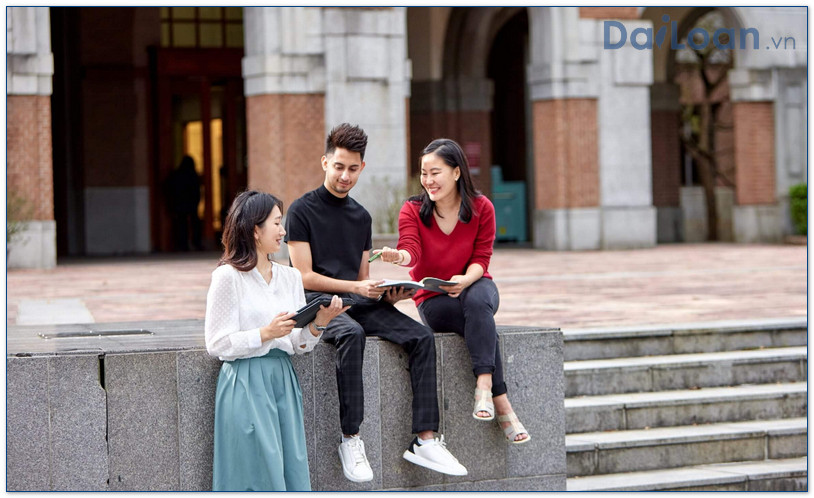
In the fascinating world of the Chinese language, certain phrases carry profound cultural and communicative significance. Among these is 當面 (dāng miàn), which pertains to face-to-face interactions. As a language expert, I aim to unpack the meaning, grammatical structure, and practical application of this term, providing you with a comprehensive guide to enhance your understanding of Mandarin.
What Does 當面 (dāng miàn) Mean?
At its core, 當面 (dāng miàn) translates to “in person” or “face to face.” It emphasizes the importance of direct interaction, contrasting with communication that occurs through screens or written forms. In Chinese culture, such direct communication can signify sincerity and respect.
Cultural Context of 當面
Utilizing 當面 (dāng miàn) can reflect various social dynamics within Chinese relationships. It suggests a depth of engagement that might not be present in remote forms of communication. For instance, serious discussions, negotiations, or sensitive topics often warrant face-to-face discourse.
Grammatical Structure of 當面 (dāng miàn)
Understanding the grammatical structure of 當面 (dāng miàn) allows learners to utilize it correctly in sentences. The term is composed of two characters:
- 當 (dāng) – This character can imply “at,” “when,” or “to face.”
- 面 (miàn) – Meaning “face” or “side.” When combined with 當, it conveys the concept of being in front of someone or something.
Usage in Sentences
In terms of grammatical structure, 當面 (dāng miàn) often functions as an adverbial phrase, modifying verbs to indicate the nature of the action (face-to-face) or the context of interaction. Here’s how it can be effectively incorporated into sentences: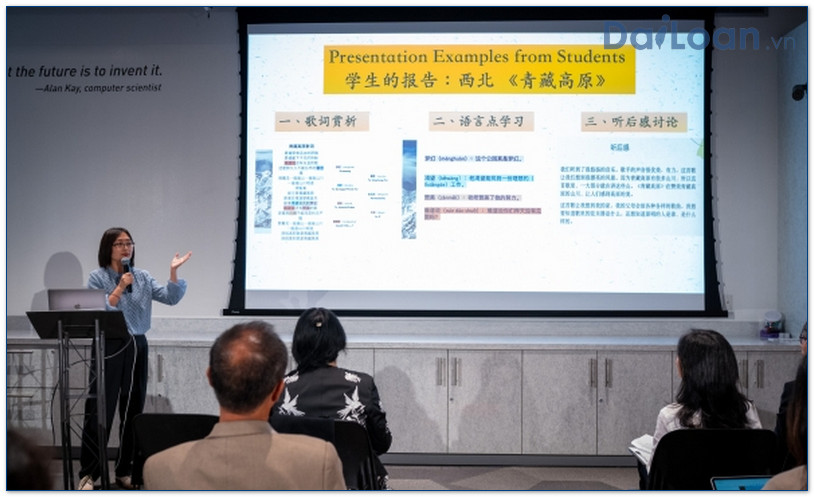

Example Sentences Using 當面
Casual Conversations
- 我希望能當面跟你聊聊。 (Wǒ xīwàng néng dāng miàn gēn nǐ liáo liáo.)
- I hope to talk to you face to face.
Professional Contexts
- 這個問題需要我們當面討論。 (Zhège wèntí xūyào wǒmen dāng miàn tǎolùn.)
- This issue requires us to discuss it in person.
Building Relationships
- 當面見面能建立更好的關係。 (Dāng miàn jiànmiàn néng jiànlì gèng hǎo de guānxi.)
- Meeting face to face can build better relationships.

Conclusion
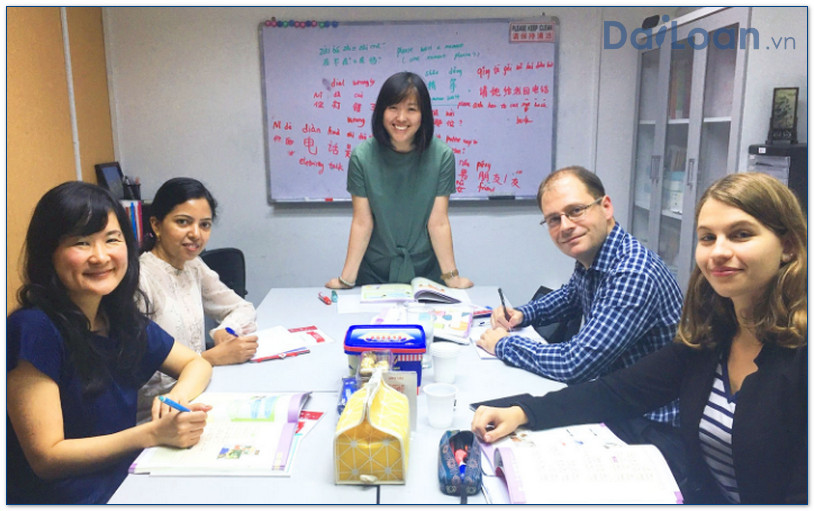
The term 當面 (dāng miàn) is a vital aspect of effective communication within the Chinese language. It serves not only as a linguistic tool but also as a cultural emblem underscoring the value of personal interactions. By understanding its meaning, grammatical structure, and practical applications, learners can enhance their conversational skills and engage more meaningfully with native speakers.
As with any language learning journey, immersion and practice will yield the best results. So, the next time an opportunity arises for a face-to-face conversation, remember the significance of 當面 (dāng miàn) and the rich interactions it can foster.


Sứ mệnh của Chuyên là giúp đỡ và truyền cảm hứng cho các bạn trẻ Việt Nam sang Đài Loan học tập, sinh sống và làm việc. Là cầu nối để lan tỏa giá trị tinh hoa nguồn nhân lực Việt Nam đến với Đài Loan và trên toàn cầu.
CÓ THỂ BẠN QUAN TÂM
Du học Đài Loan
Lao Động Đài Loan
Việc Làm Đài Loan
Đơn Hàng Đài Loan
Visa Đài Loan
Du Lịch Đài Loan
Tiếng Đài Loan
KẾT NỐI VỚI CHUYÊN
Zalo: https://zalo.me/0936126566
Website: www.dailoan.vn