


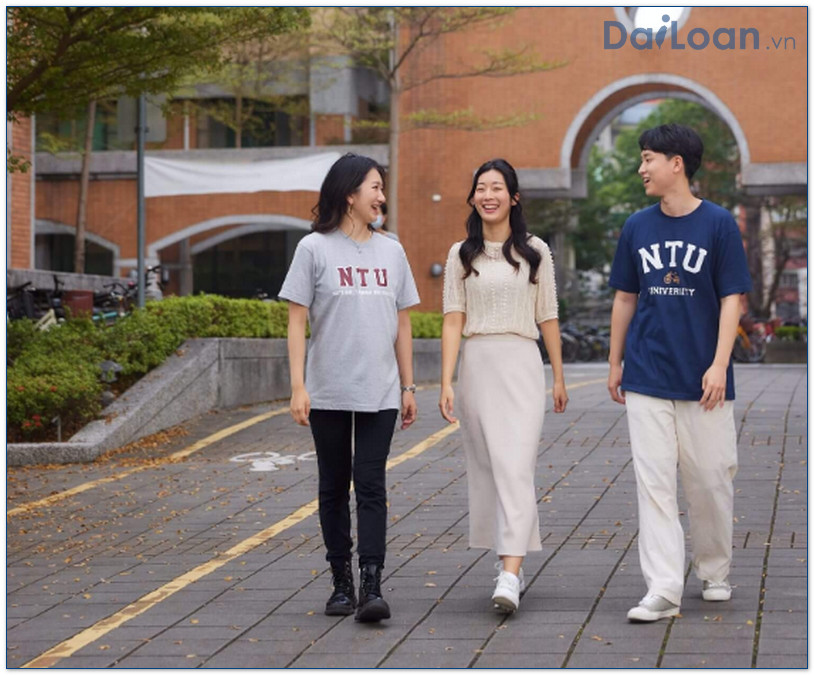
Introduction to 天氣 (tiānqì)
The Chinese term 天氣 (tiānqì) translates directly to “weather” in English. Weather is an essential aspect of daily conversation and plays a significant role in understanding culture and climate variances within the Chinese-speaking world. The phrase captures not only the atmospheric conditions but also influences social interactions and lifestyle choices across different regions in China.
The Grammatical Structure of 天氣 (tiānqì)
天氣 (tiānqì)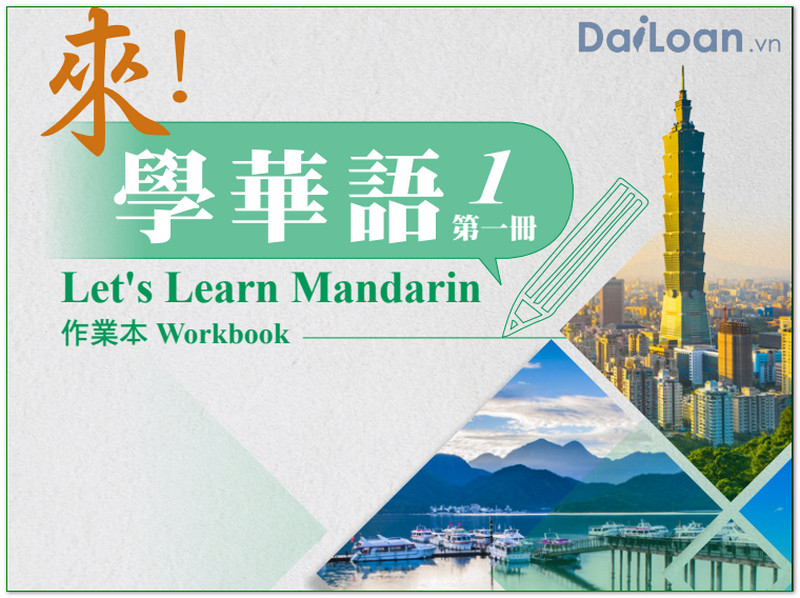

- 天 (tiān) means “sky” or “heaven.”
- 氣 (qì) refers to “air” or “breath.” In this context, it signifies the conditions in the atmosphere.
Together, these characters construct an idea relevant to the conditions presented in the atmosphere, hence the meaning of “weather.” The grammatical structure is straightforward, commonly falling under the noun category in sentence construction.
Example Sentences Using 天氣 (tiānqì)
1. Simple Sentences
- 今天天氣很好。(Jīntiān tiānqì hěn hǎo.) – The weather is very nice today.
- 昨天的天氣不好。(Zuótiān de tiānqì bù hǎo.) – The weather was not good yesterday.
- 明天的天氣預報?(Míngtiān de tiānqì yùbào?) – What is the weather forecast for tomorrow?
2. Complex Sentences
- 如果天氣好的話,我們就去野餐。(Rúguǒ tiānqì hǎo de huà, wǒmen jiù qù yěcān.) – If the weather is good, we will go for a picnic.
- 天氣變化無常,我們需要帶傘。(Tiānqì biànhuà wúcháng, wǒmen xūyào dài sǎn.) – The weather is unpredictable; we need to carry an umbrella.
3. Contextual Usage
- 在春天,天氣通常會變暖。(Zài chūntiān, tiānqì tōngcháng huì biàn nuǎn.) – In spring, the weather usually warms up.
- 不論天氣怎麼樣,我都會去上班。(Bù lùn tiānqì zěnme yàng, wǒ dōu huì qù shàngbān.) – No matter what the weather is like, I will go to work.
Cultural Insights on Weather in Chinese Context
Weather not only influences daily plans but also reflects seasonal festivals and agricultural activities in China. Important holidays such as the Spring Festival (春节 – Chūnjié) often correlate with specific climatic conditions. Understanding how to speak about the weather can open the door to deeper conversations about cultural practices and traditions.
Conclusion
The term 天氣 (tiānqì) serves as a gateway into the Chinese language, encompassing both linguistic and cultural aspects. Mastering its usage helps create connections and enhances understanding in various situational contexts. As you learn Chinese, consider how the weather impacts not just conversation but also daily life, making it a vital topic for language learners.


Sứ mệnh của Chuyên là giúp đỡ và truyền cảm hứng cho các bạn trẻ Việt Nam sang Đài Loan học tập, sinh sống và làm việc. Là cầu nối để lan tỏa giá trị tinh hoa nguồn nhân lực Việt Nam đến với Đài Loan và trên toàn cầu.
CÓ THỂ BẠN QUAN TÂM
Du học Đài Loan
Lao Động Đài Loan
Việc Làm Đài Loan
Đơn Hàng Đài Loan
Visa Đài Loan
Du Lịch Đài Loan
Tiếng Đài Loan
KẾT NỐI VỚI CHUYÊN
Zalo: https://zalo.me/0936126566
Website: www.dailoan.vn