


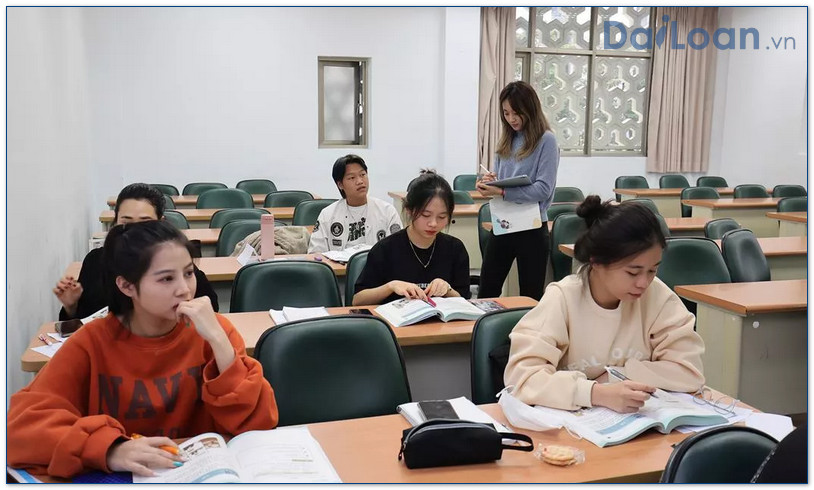
The Chinese pronoun “我 (wǒ)” is a fundamental component of Mandarin, essential for anyone looking to communicate effectively in the language. In this article, we will delve into the meaning of “我 (wǒ)”, explore its grammatical structure, and provide example sentences that illustrate its use in various contexts. By the end, you will gain a clearer understanding of how to incorporate “我 (wǒ)” into your Mandarin vocabulary.
What Does “我 (wǒ)” Mean?
“我 (wǒ)” translates to “I” or “me” in English. It is a first-person singular pronoun used to refer to oneself. Understanding this basic pronoun is crucial as it forms the basis for personal expression in the Chinese language.
Importance of “我 (wǒ)” in Mandarin
In Mandarin, pronouns are vital for clarity in communication. “我 (wǒ)” serves as the starting point for constructing sentences and expressing thoughts and feelings about oneself. It appears frequently in both spoken and written Chinese, making it a cornerstone of everyday conversation.
Grammatical Structure of “我 (wǒ)”
The grammatical structure of “我 (wǒ)” is straightforward. As a pronoun, it can function as the subject or object of a sentence. Below, we will explore its role in sentence construction.

Usage as a Subject
When “我 (wǒ)” acts as the subject of a sentence, it precedes the verb. For example:
- 我去市场。(Wǒ qù shìchǎng.) – I go to the market.
Usage as an Object
When functioning as an object, “我 (wǒ)” follows the verb. For example:
- 你帮助我。(Nǐ bāngzhù wǒ.) – You help me.
Example Sentences Using “我 (wǒ)”
Here are several sentences that showcase the use of “我 (wǒ)” in different contexts:
Basic Sentences
- 我喜欢学习汉语。(Wǒ xǐhuān xuéxí hànyǔ.) – I like to learn Chinese.
- 我爱我的家。(Wǒ ài wǒ de jiā.) – I love my family.
Sentences Expressing Feelings
- 我很高兴。(Wǒ hěn gāoxìng.) – I am very happy.
- 我有点累。(Wǒ yǒudiǎn lèi.) – I am a little tired.
Questions Involving “我 (wǒ)”
- 你能帮我吗?(Nǐ néng bāng wǒ ma?) – Can you help me?
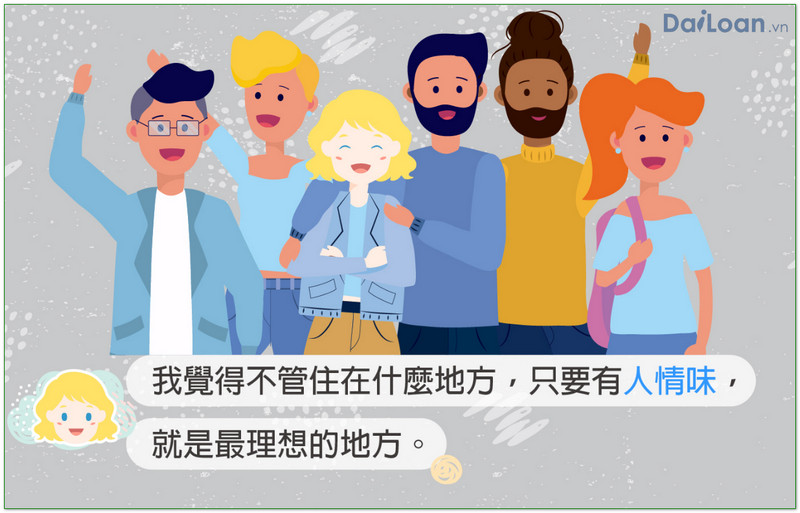
- 为什么我总是这么忙?(Wèishéme wǒ zǒng shì zhème máng?) – Why am I always so busy?

Conclusion
In summary, “我 (wǒ)” is a crucial pronoun in Mandarin that signifies “I” or “me”. Understanding its meaning and grammatical structure enhances your ability to construct sentences and communicate effectively in Chinese. By incorporating the examples given in this article, you will be well on your way to mastering this essential aspect of Mandarin. Continue practicing, and soon, expressing yourself in Chinese will feel effortless!


Sứ mệnh của Chuyên là giúp đỡ và truyền cảm hứng cho các bạn trẻ Việt Nam sang Đài Loan học tập, sinh sống và làm việc. Là cầu nối để lan tỏa giá trị tinh hoa nguồn nhân lực Việt Nam đến với Đài Loan và trên toàn cầu.
CÓ THỂ BẠN QUAN TÂM
Du học Đài Loan
Lao Động Đài Loan
Việc Làm Đài Loan
Đơn Hàng Đài Loan
Visa Đài Loan
Du Lịch Đài Loan
Tiếng Đài Loan
KẾT NỐI VỚI CHUYÊN
Zalo: https://zalo.me/0936126566
Website: www.dailoan.vn