


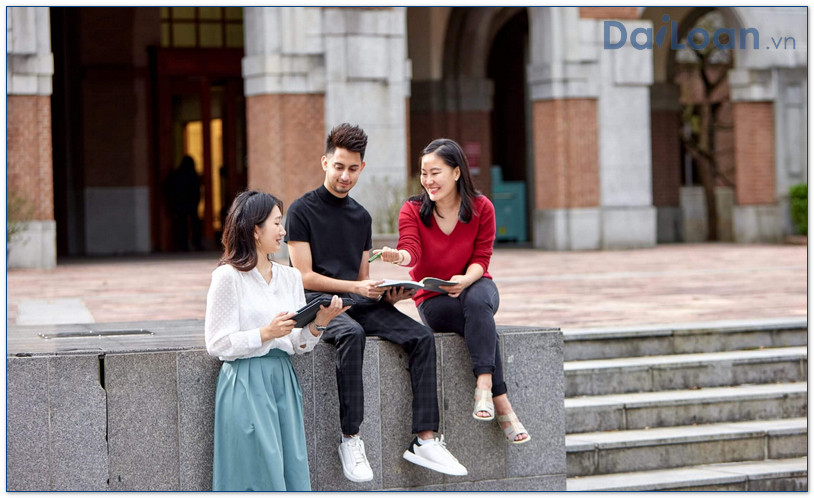
In the realm of the Chinese language, the character 練 (liàn) stands out as a versatile term often associated with practice and skill development. This article aims to delve into its meaning, grammatical structure, and provide practical example sentences to illustrate its application. Whether you are a beginner or an advanced learner, understanding 練 will enrich your vocabulary and enhance your communication skills in Mandarin.
The Meaning of 練 (Liàn)
At its core, the character 

Common Interpretations
- Practice: Engaging in an activity regularly to improve proficiency.
- Train: Preparing oneself for an event through systematic exercise.
- Drill: Repeating an action to enhance performance or memory.
Grammatical Structure of 練 (Liàn)
In terms of grammar, 練 (liàn) can function as both a verb and a noun, allowing for flexibility in sentence construction.
As a Verb
When used as a verb, 練 often appears in constructions such as:
- Verb + 練 + Object
For example:
- 我在練打籃球。 (Wǒ zài liàn dǎ lánqiú.) – “I am practicing basketball.”
As a Noun
As a noun, it typically relates to the concept of practice or training sessions:
- Practice session: 練習 (liànxí)
Example Sentences Using 練 (Liàn)
To better illustrate the usage of 練 (liàn), here are some example sentences:
1. Daily Activities
- 我每天都練習鋼琴。 (Wǒ měitiān dōu liànxí gāngqín.) – “I practice piano every day.”
2. Sports Training
- 他正在練習游泳。 (Tā zhèng zài liànxí yóuyǒng.) – “He is practicing swimming.”
3. Academic Contexts
- 我們需要更多的時間來練習口語。 (Wǒmen xūyào gèng duō de shíjiān lái liànxí kǒuyǔ.) – “We need more time to practice speaking.”
4. Cultural Practices
- 我學習武術已經三年了,並且每天都在練習。 (Wǒ xuéxí wǔshù yǐjīng sān niánle, bìngqiě měitiān dōu zài liànxí.) – “I have been learning martial arts for three years and practice every day.”
Conclusion

In conclusion, the character 練 (liàn) encapsulates the essence of practice and skill development in the Chinese language. By incorporating this term into your vocabulary, you can articulate your dedication towards improvement and mastery in various fields. Whether you are engaged in sports, arts, or academics, understanding the meaning and usage of 練 will undoubtedly bolster your proficiency in Mandarin. Keep practicing and exploring the richness of the Chinese language!


Sứ mệnh của Chuyên là giúp đỡ và truyền cảm hứng cho các bạn trẻ Việt Nam sang Đài Loan học tập, sinh sống và làm việc. Là cầu nối để lan tỏa giá trị tinh hoa nguồn nhân lực Việt Nam đến với Đài Loan và trên toàn cầu.
CÓ THỂ BẠN QUAN TÂM
Du học Đài Loan
Lao Động Đài Loan
Việc Làm Đài Loan
Đơn Hàng Đài Loan
Visa Đài Loan
Du Lịch Đài Loan
Tiếng Đài Loan
KẾT NỐI VỚI CHUYÊN
Zalo: https://zalo.me/0936126566
Website: www.dailoan.vn