



The Chinese language is rich and complex. One of the fascinating aspects of its structure includes understanding words that relate to manufacturing and creation. This article will explore the meaning of 製造 (zhì zào) and 製 (zhì), their grammatical structures, and provide example sentences to illustrate their usage.
What Do 製造/製 (zhì zào/zhì) Mean?
The General Meaning
At its core, the term 製造/製 refers to manufacturing or creating something. The character 製 (zhì) specifically pertains to the act of making or producing, while 製造 (zhì zào) expands this meaning to a more general sense of manufacturing, often associated with industry.

Etimology and Usage
製 (zhì), on its own, relates to “to manufacture” and can be found in various contexts, particularly in discussions about production quality and processes. 製造 (zhì zào) encompasses not only the action of making something but also emphasizes its systematic aspect, typically used in industrial contexts, such as manufacturing goods and products.
Grammatical Structure of 製造/製
Understanding the Character Components
Both characters are composed of components that give them their meaning:
- 製 (zhì): The left part, 衣, relates to clothing or fabric, while the right part, 只, often pertains to acting or making.
- 造 (zào): Comprised of the components 亻(person) and 造, it signifies creation and can imply constructing or building.
Grammatical Function
In sentences, 製 and 製造 can function as verbs:
- 製 (zhì): can be used to describe the action of making something.
- 製造 (zhì zào): can serve as a verb phrase that describes manufacturing on a broader scale.
Example Sentences Using 製造/製
Common Usage Scenarios
Here are some example sentences that showcase how to use 製造 and 製 in everyday conversations: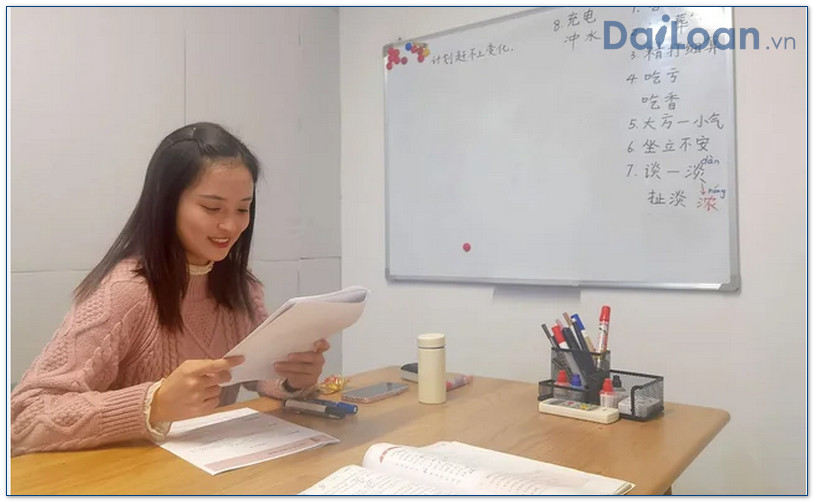

- 使用「製」(zhì): 我正在製作一個模型。 (Wǒ zhèngzài zhìzuò yīgè móxíng.) – I am making a model.
- 使用「製造」(zhì zào): 這家公司專門製造電子產品。 (Zhè jiā gōngsī zhuānmén zhìzào diànzǐ chǎnpǐn.) – This company specializes in manufacturing electronic products.
Manufacturing Contexts
Specifically in industrial contexts, sentences can be more formal:
- 使用「製造」(zhì zào): 環保材料的製造對企業責任至關重要。 (Huánbǎo cáiliào de zhìzào duì qǐyè zérèn zhì guān zhòngyào.) – The manufacturing of eco-friendly materials is crucial for corporate responsibility.
- 使用「製」(zhì): 這種技術能夠製造出更輕的材料。 (Zhè zhǒng jìshù nénggòu zhìzào chū gèng qīng de cáiliào.) – This technology can produce lighter materials.
Conclusion
Understanding the characters 製造/製 (zhì zào/zhì) provides insightful perspectives into the realm of manufacturing and creation in the Chinese language. With their respective grammatical structures and meanings, these terms not only enhance your vocabulary but also deepen your comprehension of Chinese culture and its industrial contexts. Utilizing them in sentences will bolster your language skills and confidence in conversation.


Sứ mệnh của Chuyên là giúp đỡ và truyền cảm hứng cho các bạn trẻ Việt Nam sang Đài Loan học tập, sinh sống và làm việc. Là cầu nối để lan tỏa giá trị tinh hoa nguồn nhân lực Việt Nam đến với Đài Loan và trên toàn cầu.
CÓ THỂ BẠN QUAN TÂM
Du học Đài Loan
Lao Động Đài Loan
Việc Làm Đài Loan
Đơn Hàng Đài Loan
Visa Đài Loan
Du Lịch Đài Loan
Tiếng Đài Loan
KẾT NỐI VỚI CHUYÊN
Zalo: https://zalo.me/0936126566
Website: www.dailoan.vn