



In the vast and rich tapestry of the Chinese language, each word carries a weight of meaning and context. One such word is 笨重 (bèn zhòng), a term that many learners encounter during their studies of Mandarin. In this article, we will explore the meaning of 笨重, its grammatical structure, and provide you with several example sentences to see how this word can be effectively used in everyday conversations.
What Does 笨重 (bèn zhòng) Mean?
The term 笨重 (bèn zhòng) refers primarily to something that is “clumsy and heavy.” This adjective describes objects that are not only physically cumbersome but may also suggest a lack of agility or grace. In a broader sense, it can also refer to a person’s behavior or actions that seem awkward or lacking in finesse.
Breaking Down the Characters
To better understand 

- 笨 (bèn): This character means “clumsy” or “stupid.” It describes a lack of skill or intelligence when performing an action.
- 重 (zhòng): This character means “heavy.” It can describe weight in a physical sense as well as metaphorically representing the weightiness of a situation.
Grammatical Structure of 笨重
In Mandarin Chinese, adjectives typically precede the nouns they modify. 笨重 fits this pattern, serving as an adjective to describe nouns that are heavy or clumsy. It can be used in various contexts, both in a literal and metaphorical sense, depending on the structure of the sentence.
Usage as an Adjective
When used in a sentence, 笨重 can directly precede a noun:
- 笨重的箱子 (bèn zhòng de xiāngzi) – “the clumsy and heavy box”
- 笨重的机器 (bèn zhòng de jīqì) – “the clumsy and heavy machine”
Example Sentences Using 笨重
To illustrate the practical use of 笨重 in conversation, here are some example sentences:
Everyday Conversations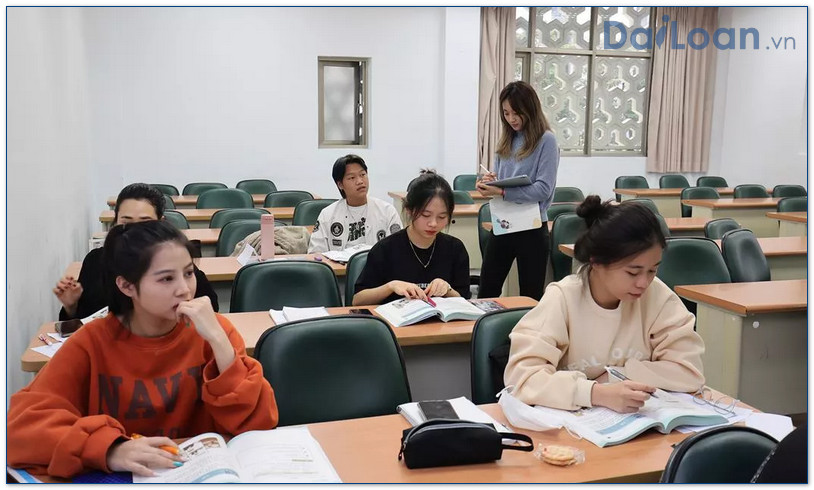

- 他搬完那个笨重的沙发,感到非常疲惫。
- Tā bān wán nàgè bèn zhòng de shāfā, gǎndào fēicháng píbèi. – “He felt very tired after moving that clumsy and heavy sofa.”
- 这个笨重的文件夹真的太难携带了。
- Zhège bèn zhòng de wénjiàn jiā zhēn de tài nán xiédài le. – “This heavy and awkward binder is really hard to carry.”
- 他的动作有些笨重,看起来不太灵活。
- Tā de dòngzuò yǒuxiē bèn zhòng, kàn qǐlái bù tài línghuó. – “His movements are somewhat clumsy; he doesn’t appear very agile.”
In Literature and Contextual Usage
笨重 can also appear in literary contexts, where the author might use it metaphorically to discuss themes of awkwardness or burdensome situations. For example:
- 生活有时候会让人感到笨重和无助。
- Shēnghuó yǒu shíhòu huì ràng rén gǎndào bèn zhòng hé wúzhù. – “Life can sometimes make one feel clumsy and helpless.”
Conclusion
Mastering a new language requires familiarity with both vocabulary and context. The term 笨重 (bèn zhòng) is a prime example of how a word can carry substantial meaning, both literally and figuratively. By understanding its definition, grammatical usage, and contextual examples, Chinese language learners can enrich their vocabulary and improve their conversational skills. Keep practicing and you’ll find this term becoming a valuable part of your language toolkit!


Sứ mệnh của Chuyên là giúp đỡ và truyền cảm hứng cho các bạn trẻ Việt Nam sang Đài Loan học tập, sinh sống và làm việc. Là cầu nối để lan tỏa giá trị tinh hoa nguồn nhân lực Việt Nam đến với Đài Loan và trên toàn cầu.
CÓ THỂ BẠN QUAN TÂM
Du học Đài Loan
Lao Động Đài Loan
Việc Làm Đài Loan
Đơn Hàng Đài Loan
Visa Đài Loan
Du Lịch Đài Loan
Tiếng Đài Loan
KẾT NỐI VỚI CHUYÊN
Zalo: https://zalo.me/0936126566
Website: www.dailoan.vn