



The Chinese terms 囉嗦 (luō suo) and 囉唆 (luō suo) are often used interchangeably, but they carry nuanced meanings and grammatical implications that are key to mastering their usage. This article delves deep into their meanings, grammatical structures, and provides practical examples to enhance your understanding of these terms.
What Does 囉嗦/囉唆 (luō suo) Mean?
囉嗦/囉唆 (luō suo) primarily refers to something that is repetitive and verbose. It describes speech or text that tends to drag on unnecessarily, often lacking conciseness and clarity. The term evokes a sense of annoyance or impatience towards someone who is being overly talkative or is providing excessive detail.
Grammatical Structure of 囉嗦/囉唆
In terms of grammar, 囉嗦/囉唆 can function as both a verb and an adjective. As an adjective, it modifies a noun or describes a quality, while as a verb, it refers to the action of speaking in a roundabout or lengthy manner. Below is a breakdown of its grammatical variations:
As an Adjective
- When used as an adjective, it typically describes a noun:
Example: 他的讲述太囉嗦了 (tā de jiǎngshù tài luō suo le) – “His narration is too verbose.”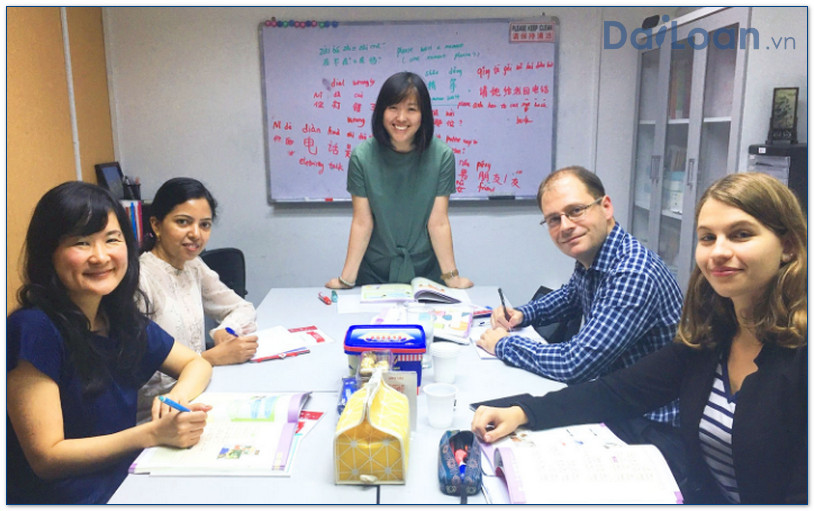

As a Verb

- When functioning as a verb, it can be used to depict an action:
Example: 她总是囉嗦不休 (tā zǒng shì luō suo bù xiū) – “She is always rambling on.”
Examples Sentences Using 囉嗦/囉唆
Understanding the meaning and grammatical structure of 囉嗦/囉唆 (luō suo) is best complemented by real-world examples. Here are some sentences that illustrate its usage:
Example Sentences
- 1. 这个项目的报告太囉嗦了,应该简化一下。
(Zhège xiàngmù de bàogào tài luō suo le, yīnggāi jiǎnhuà yīxià.)
Translation: “The report for this project is too verbose; it should be simplified.” - 2. 他总是囉唆,讲同样的事。
(Tā zǒng shì luō suo, jiǎng tóngyàng de shì.)
Translation: “He always rambles, telling the same story.” - 3. 我不喜欢囉嗦的人。
(Wǒ bù xǐhuān luō suo de rén.)
Translation: “I do not like people who are overly talkative.” - 4. 这本书写得很囉嗦,我看不下去。
(Zhè běn shū xiě de hěn luō suo, wǒ kàn bù xiàqù.)
Translation: “This book is written in a very verbose manner; I can’t continue reading it.”
Conclusion
The terms 囹嗦/囉唆 (luō suo) carry significant weight in conversational and written Mandarin. Understanding their meanings and grammatical structures allows for more effective communication in Chinese. As with any language learning journey, practicing these terms in context through examples enhances proficiency and fluency. By avoiding verbosity, we can maintain clarity and engagement in our conversations.


Sứ mệnh của Chuyên là giúp đỡ và truyền cảm hứng cho các bạn trẻ Việt Nam sang Đài Loan học tập, sinh sống và làm việc. Là cầu nối để lan tỏa giá trị tinh hoa nguồn nhân lực Việt Nam đến với Đài Loan và trên toàn cầu.
CÓ THỂ BẠN QUAN TÂM
Du học Đài Loan
Lao Động Đài Loan
Việc Làm Đài Loan
Đơn Hàng Đài Loan
Visa Đài Loan
Du Lịch Đài Loan
Tiếng Đài Loan
KẾT NỐI VỚI CHUYÊN
Zalo: https://zalo.me/0936126566
Website: www.dailoan.vn