


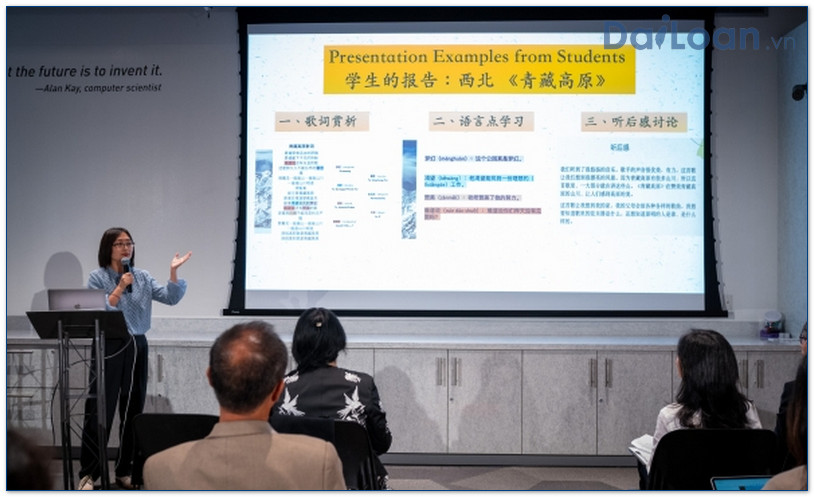
The Chinese language is rich with characters that carry deep meanings and flexible usages. One such character is 擔2 (dān), which has various applications in both spoken and written forms. In this article, we will explore the meaning of 擔2, its grammatical structure, and provide example sentences to illustrate its use in context. This information is particularly valuable for learners and enthusiasts of Chinese. Let’s delve into this fascinating character!
Meaning of 擔2 (dān)
The character 擔 (dān) primarily means “to carry” or “to bear.” It embodies the action of carrying a load, often with a sense of responsibility. Additionally, 擔 can imply a metaphorical burden, such as the emotional weight one might bear in certain situations. The character consists of two components: the “hand” radical (扌) and the “spear” radical (𠂊), visually representing the act of holding something steady and firmly.
Grammatical Structure of 擔2 (dān)
In Mandarin Chinese, 擔2 (dān) functions primarily as a verb. Its grammatical structure allows it to be used in various contexts, particularly in phrases that denote the act of carrying an object or assuming responsibility. Let’s break down its grammatical usage:
1. As a Transitive Verb
When used as a transitive verb, 擔2 requires a direct object. The structure is straightforward: Subject + 擔 (dān) + Object.
2. As a Noun
擔 can also serve as a noun, often referring to a traditional carrying device used in rural China, known as “擔子 (dānzi),” which literally means “carrying pole.” In this case, the structure is: Subject + 是 + 擔 (dān).
3. Usage in Various Tenses
Similar to many verbs in the Chinese language,擔2 can be modified to indicate different tenses using context or time phrases, rather than inflections. For instance: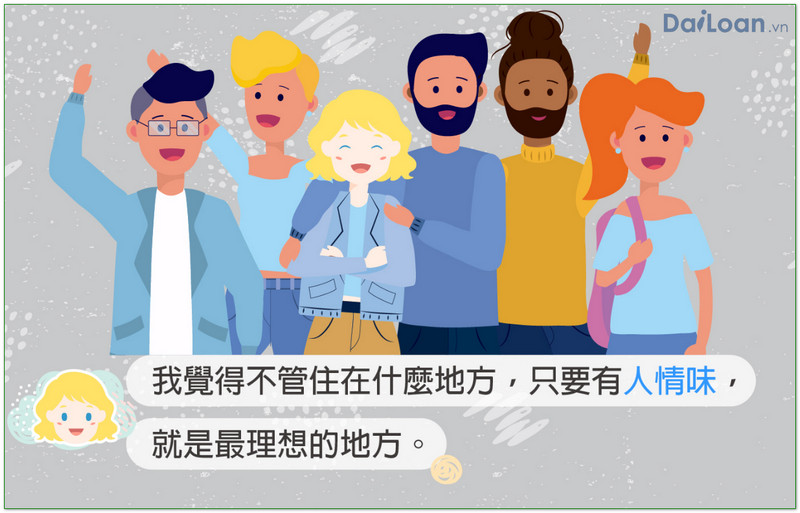

- Present: 我擔著箱子。 (Wǒ dān zhe xiāngzi) – “I am carrying the box.”
- Past: 我昨天擔了很多東西。 (Wǒ zuótiān dānle hěn duō dōngxī) – “I carried a lot of things yesterday.”
- Future: 明天我會擔這些貨物。 (Míngtiān wǒ huì dān zhèxiē huòwù) – “Tomorrow I will carry these goods.”

Example Sentences Using 擔2 (dān)
Here are some example sentences to illustrate how 擔2 (dān) is used in various contexts:
1. Carrying Physical Items
- 他擔著一袋米回家。 (Tā dān zhe yī dài mǐ huí jiā.) – “He is carrying a bag of rice home.”
- 我需要擔這些書到圖書館。 (Wǒ xūyào dān zhèxiē shū dào túshūguǎn.) – “I need to carry these books to the library.”
2. Metaphorical Usage
- 她擔著很大的壓力。 (Tā dān zhe hěn dà de yālì.) – “She is carrying a lot of pressure.”
- 他擔心他的工作表現。 (Tā dān xīn tā de gōngzuò biǎoxiàn.) – “He is worried about his work performance.”
3. Cultural References
- 在古代,農民常常擔著重物到市場。 (Zài gǔdài, nóngmín chángcháng dān zhe zhòngwù dào shìchǎng.) – “In ancient times, farmers often carried heavy items to the market.”
- 這個擔子是用來擔米的。 (Zhège dānzi shì yòng lái dān mǐ de.) – “This carrying pole is used for carrying rice.”
Conclusion
In conclusion, the character 擔2 (dān) is a versatile and meaningful component of the Chinese language. Understanding its meaning, grammatical structure, and diverse applications enriches one’s grasp of Chinese vocabulary and sentence construction. Whether you are a learner or an enthusiast of Chinese, mastering characters like 擔2 is essential for effective communication. We hope this article has provided you with valuable insights into this character’s usage. Happy learning!


Sứ mệnh của Chuyên là giúp đỡ và truyền cảm hứng cho các bạn trẻ Việt Nam sang Đài Loan học tập, sinh sống và làm việc. Là cầu nối để lan tỏa giá trị tinh hoa nguồn nhân lực Việt Nam đến với Đài Loan và trên toàn cầu.
CÓ THỂ BẠN QUAN TÂM
Du học Đài Loan
Lao Động Đài Loan
Việc Làm Đài Loan
Đơn Hàng Đài Loan
Visa Đài Loan
Du Lịch Đài Loan
Tiếng Đài Loan
KẾT NỐI VỚI CHUYÊN
Zalo: https://zalo.me/0936126566
Website: www.dailoan.vn