



Welcome to an in-depth exploration of the term ‘國民 (guó mín)’. This word is significant in various contexts within the Chinese language, representing concepts linked to nationality, citizenship, and societal identity. In this article, we will delve into the meaning of ‘國民’, its grammatical structure, and provide example sentences to enhance your understanding.
Meaning of ‘國民 (guó mín)’
The term 

In a broader context, ‘國民’ encompasses not just the concept of citizenship but also the cultural, social, and political dynamics that define a nation’s populace. For instance, it can be used in discussions about national pride, citizenship rights, or responsibilities inherent to being a ‘國民’ of a country.
Grammatical Structure of ‘國民’
Character Breakdown
This term is composed of two Chinese characters: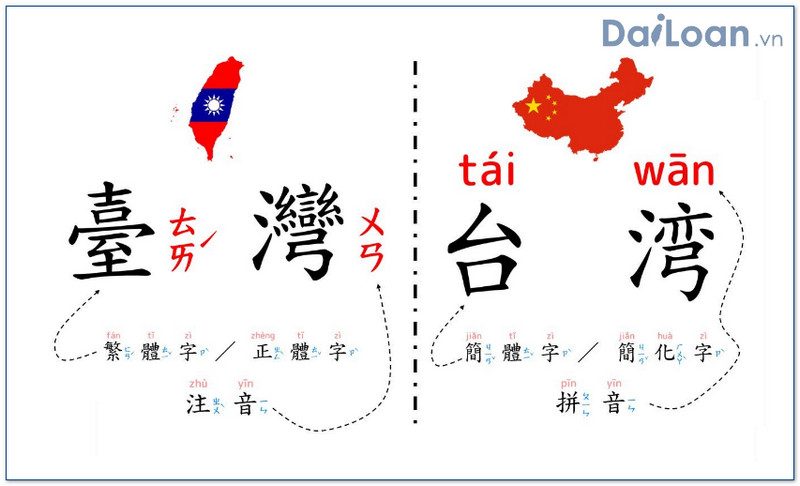

- 國 (guó) – Refers to a country or nation.
- 民 (mín) – Refers to the people or citizens.
Usage in Sentences
‘國民’ can function as a noun in sentences. It typically follows the subject or noun format within a sentence structure. In Mandarin Chinese, subjects often precede verbs and objects, which is crucial for correct sentence construction.
Example Sentences Using ‘國民’
To solidify your understanding of ‘國民’, here are some example sentences:
Sentence 1
每個國民都有權利參加選舉。 (Měi gè guó mín dōu yǒu quán lì cān jiā xuǎn jǔ.)
This translates to: “Every citizen has the right to vote.” This sentence highlights the fundamental rights bestowed upon ‘國民’ in a democratic system.
Sentence 2
國民應該為國家的未來負責。 (Guó mín yīng gāi wèi guó jiā de wèi lái fù zé.)
This translates to: “Citizens should be responsible for the future of the country.” This example underscores the responsibilities that come with being a ‘國民’.
Sentence 3
國民的團結是國家強大的基礎。 (Guó mín de tuán jié shì guó jiā qiáng dà de jī chǔ.)

This translates to: “The unity of the citizens is the foundation of a strong nation.” This sentence emphasizes the importance of solidarity among the ‘國民’ for national strength.
Conclusion
Understanding the term ‘國民 (guó mín)’ goes beyond vocabulary; it encapsulates the essence of national identity and civic responsibility. With its simple yet profound meaning and usage in everyday conversation, mastering this term will enhance your Chinese language skills and cultural awareness.
We encourage you to practice using ‘國民’ in various contexts to better understand its place within the Chinese lexicon. Whether discussing rights, responsibilities, or national pride, ‘國民’ is a term that resonates deeply with the concept of citizenship and belonging.


Sứ mệnh của Chuyên là giúp đỡ và truyền cảm hứng cho các bạn trẻ Việt Nam sang Đài Loan học tập, sinh sống và làm việc. Là cầu nối để lan tỏa giá trị tinh hoa nguồn nhân lực Việt Nam đến với Đài Loan và trên toàn cầu.
CÓ THỂ BẠN QUAN TÂM
Du học Đài Loan
Lao Động Đài Loan
Việc Làm Đài Loan
Đơn Hàng Đài Loan
Visa Đài Loan
Du Lịch Đài Loan
Tiếng Đài Loan
KẾT NỐI VỚI CHUYÊN
Zalo: https://zalo.me/0936126566
Website: www.dailoan.vn