


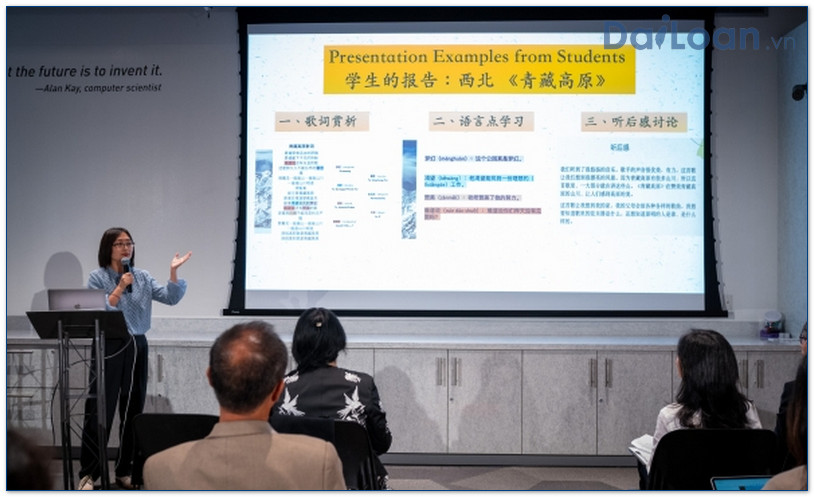
The phrase 講價 (jiǎng jià) plays a significant role in Chinese culture, especially in transactions involving shopping and negotiations. Often translated as “bargaining” or “negotiating the price,” it encapsulates not just a linguistic concept but also a cultural practice deeply embedded in the daily lives of many Chinese speakers. This article will explore its meaning, grammatical structure, and provide a multitude of example sentences to illustrate its use.
What Does 講價 (jiǎng jià) Mean?
The verb 講 (jiǎng) means “to speak” or “to discuss,” while 價 (jià) translates to “price” or “value.” Therefore, the literal translation of 講價 is “to discuss the price.” In everyday usage, 講價 often refers to the act of negotiating or haggling over the price of goods or services, typically in a market setting or between buyers and sellers.
Cultural Significance of 講價
Bargaining is more than a simple transaction in many Asian cultures, particularly in China. It reflects the social interaction and relationships between parties. Understanding and utilizing 講價 appropriately can showcase respect, social status, and cultural awareness, making it an essential skill for effective communication.
Grammatical Structure of 講價 (jiǎng jià)
In terms of grammatical structure, 講價 is composed of two characters that can function independently, yet together they create a specific context of negotiation. Here’s a breakdown:
- 講 (jiǎng): Verb – to speak, to discuss.
- 價 (jià): Noun – price, value.
Thus, 講價 functions as a verb phrase where the act of discussing is directly linked to the concept of price. When using it in a sentence, the construction typically follows the Subject-Verb-Object (SVO) order common in Chinese language syntax.
Using 講價 in Sentences
Here are some example sentences utilizing 講價 to illustrate its grammatical application:
Example Sentences
- 我想講價。

- 他在市場上講價。 (Tā zài shìchǎng shàng jiǎng jià.) – “He is bargaining in the market.”
- 你能跟我講價嗎?

- 這件衣服可以講價。 (Zhè jiàn yīfú kěyǐ jiǎng jià.) – “This piece of clothing can be bargained for.”
- 當你在購物時,記得講價。 (Dāng nǐ zài gòuwù shí, jìdé jiǎng jià.) – “When you are shopping, remember to bargain.”


Tips for Effectively 講價 (jiǎng jià) in Chinese
1. Understand the Culture
Bargaining is not just about price; it involves understanding the relationship dynamics. Be polite, patient, and respectful when negotiating.
2. Start with a Lower Offer
It’s common practice to start with a price lower than what you are willing to pay. This opens up room for negotiation.
3. Use Contextual Language
Learn and use phrases that reflect the cultural context, such as “真的太貴了!” (Zhēn de tài guì le! – “It’s really too expensive!”) to express your desire to negotiate.
4. Be Prepared to Walk Away
If an agreement cannot be reached, being willing to walk away can sometimes prompt the seller to reconsider and offer a better price.
Conclusion
Understanding the term 講價 (jiǎng jià) is essential for anyone looking to engage in conversations around shopping or pricing in Chinese-speaking environments. It not only enriches vocabulary but also enhances cultural comprehension and interaction skills.
Whether you’re traveling to China, communicating with Chinese speakers, or simply interested in the language, mastering the art of 講價 is a valuable asset that can lead to more enjoyable and fruitful exchanges. Start practicing today and embrace the opportunities that come with effective bargaining!


Sứ mệnh của Chuyên là giúp đỡ và truyền cảm hứng cho các bạn trẻ Việt Nam sang Đài Loan học tập, sinh sống và làm việc. Là cầu nối để lan tỏa giá trị tinh hoa nguồn nhân lực Việt Nam đến với Đài Loan và trên toàn cầu.
CÓ THỂ BẠN QUAN TÂM
Du học Đài Loan
Lao Động Đài Loan
Việc Làm Đài Loan
Đơn Hàng Đài Loan
Visa Đài Loan
Du Lịch Đài Loan
Tiếng Đài Loan
KẾT NỐI VỚI CHUYÊN
Zalo: https://zalo.me/0936126566
Website: www.dailoan.vn