


Introduction
Understanding the Chinese language involves delving into the meanings, structures, and uses of its characters. One such character is 刻 (kè), which embodies a variety of meanings and contexts. In this article, we will explore the different meanings of 刻, its grammatical structure, and provide example sentences to help you grasp its usage effectively.
What Does 刻 (kè) Mean?
The character 刻 (kè) is rich in meanings, depending on the context in which it is used. Here are the primary meanings:

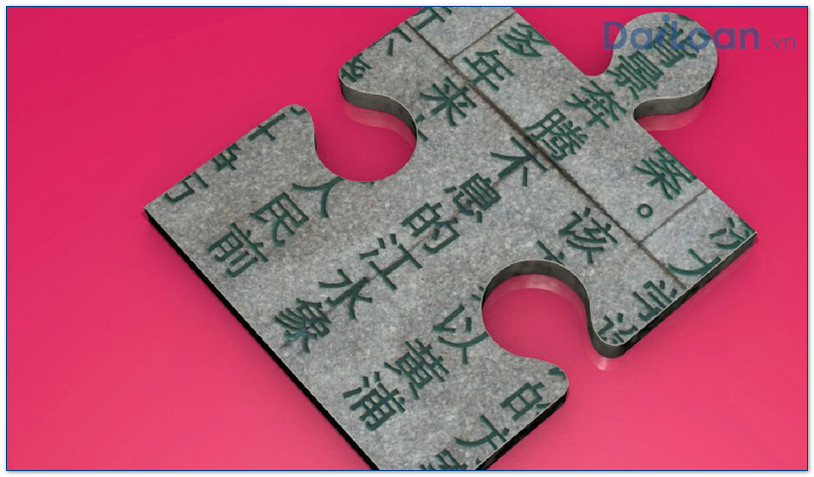
- To Carve or Engrave: 刻 is often used to describe the act of carving or engraving, as in shaping materials through creative and artistic processes.
- Time Reference: 刻 can also refer to a specific moment in time, often used in the context of hours or fractions of time (e.g., a quarter of an hour).
- To Cut: In some contexts, 刻 can imply cutting or slicing, not just in a physical sense but also metaphorically, as in cutting ties or cutting off contact.
- To Etch or Imprint: This meaning highlights the idea of leaving a permanent mark or impression on something.
Grammatical Structure of 刻
Understanding the grammatical structure of 刻 involves looking at its usage as both a verb and as an expression of time. Here’s how it fits into sentences:
As a Verb
When used as a verb, 刻 typically follows the subject of the sentence and can be paired with an object. For instance:
- Example:


As a Time Reference
When using 刻 to refer to time, it typically appears with a time indicator and conveys the notion of a specific moment. For example:
- Example: 现在是三点一刻 (Xiànzài shì sān diǎn yī kè) – “It is a quarter past three now.”
Example Sentences Using 刻
To further illustrate the versatility of 刻, here are several example sentences in different contexts:
1. Carving and Engraving
- 艺术家在石头上刻了美丽的图案 (Yìshùjiā zài shítou shàng kèle měilì de tú’àn) – “The artist carved beautiful patterns on the stone.”
2. Time References
- 火车将在十点三刻出发 (Huǒchē jiāng zài shí diǎn sān kè chūfā) – “The train will depart at ten fifteen.”
3. Imprinting Ideas
- 这件事在我的心中刻下了深刻的印记 (Zhè jiàn shì zài wǒ de xīn zhōng kè xiàle shēnkè de yìnjì) – “This matter has left a deep imprint in my heart.”
4. Cutting and Slicing
- 我想要刻掉这些坏习惯 (Wǒ xiǎng yào kè diào zhèxiē huài xíguàn) – “I want to cut out these bad habits.”
Conclusion
The character 刻 (kè) exemplifies the complexity and beauty of the Chinese language. Whether you encounter it in the context of carving, time, or making an imprint, understanding its various meanings and grammatical structures can greatly enhance your mastery of Chinese. Use the example sentences as a reference, and continue exploring the rich tapestry of the language!


Sứ mệnh của Chuyên là giúp đỡ và truyền cảm hứng cho các bạn trẻ Việt Nam sang Đài Loan học tập, sinh sống và làm việc. Là cầu nối để lan tỏa giá trị tinh hoa nguồn nhân lực Việt Nam đến với Đài Loan và trên toàn cầu.
CÓ THỂ BẠN QUAN TÂM
Du học Đài Loan
Lao Động Đài Loan
Việc Làm Đài Loan
Đơn Hàng Đài Loan
Visa Đài Loan
Du Lịch Đài Loan
Tiếng Đài Loan
KẾT NỐI VỚI CHUYÊN
Zalo: https://zalo.me/0936126566
Website: www.dailoan.vn