



Chinese language is rich and diverse, filled with words that carry nuanced meanings and various grammatical structures. One such term is 差1 (chā), which can often confuse learners due to its unique applications. In this article, we delve into the meaning, grammatical structure, and practical examples of 差1, making it easier for you to understand and use this term effectively in conversations.
Understanding the Meaning of 差1 (chā)
At its core, 差1 (chā) conveys the idea of a difference or a discrepancy. The character 差 itself can mean “difference,” “to differ,” “to be short of,” or “to lack.” When used in specific contexts, 差1 might imply being “a little bit off” or “just short of” something, which enhances its utility in day-to-day conversations.
Grammatical Structure of 差1
The grammatical structure of 差1 can vary depending on the context in which it is used. Below are some key points to understand its grammatical structure:
1. As a Verb
When 差1 functions as a verb, it typically describes a situation where something is lacking or short of a certain standard or expected value. In this case, it usually takes on the following structure:
- Subject + 差1 + Object
- Example: 我差你的要求一个指标 (Wǒ chā nǐ de yāoqiú yīgè zhǐbiāo) – I am one indicator short of your requirement.
2. As an Adjective
As an adjective, 差1 can describe quality or performance that is slightly below expected:
- Subject + 是 + 差1
- Example: 他的表现差1点 (Tā de biǎoxiàn chā yī diǎn) – His performance is a bit lacking.
Practical Examples of 差1 in Sentences
Now that we have a foundational understanding of 差1’s meaning and grammatical structure, let’s see it in action with various example sentences:
Example 1: Daily Conversation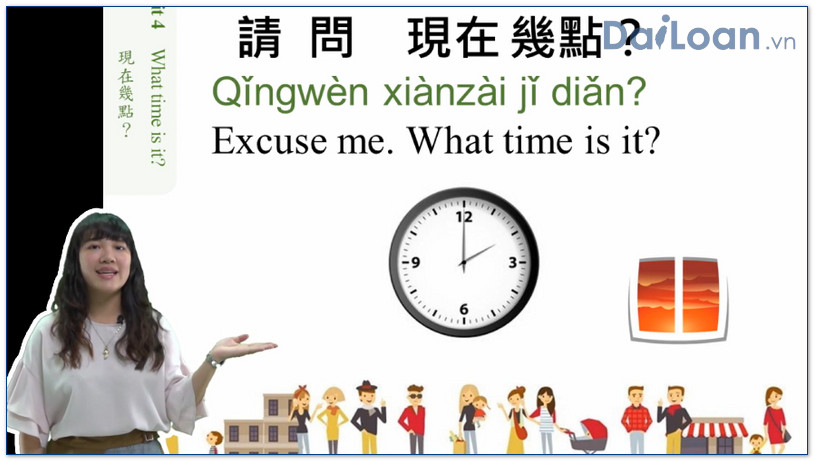

- I am running a little short of time:
- 我差1分钟就要到 (Wǒ chā yī fēnzhōng jiù yào dào) – I am one minute short of arriving.
- 我差1分钟就要到 (Wǒ chā yī fēnzhōng jiù yào dào) – I am one minute short of arriving.

Example 2: Academic Context
- I need just one more point to pass:
- 我差1分才及格 (Wǒ chā yī fēn cái jígé) – I am short by one point to pass.
Example 3: Describing Quality
- The meal was good, but it was just a little off:
- 这顿饭不错,但是差1点 (Zhè dùn fàn bùcuò, dànshì chā yī diǎn) – This meal is good, but it was a bit lacking.
Conclusion
In summary, 差1 (chā) serves as a versatile term in the Chinese language, representing nuances of difference or lack. Understanding its meaning and grammatical structure enhances proficiency and confidence in communication. By incorporating practical examples, we hope this article has equipped you with the knowledge to use 差1 effectively in your daily Chinese conversations.
Whether you are a language learner or simply interested in Chinese culture, mastering terms like 差1 can significantly enrich your experience. For further exploration, continue practicing with sentences incorporating 差1 in your conversations!


Sứ mệnh của Chuyên là giúp đỡ và truyền cảm hứng cho các bạn trẻ Việt Nam sang Đài Loan học tập, sinh sống và làm việc. Là cầu nối để lan tỏa giá trị tinh hoa nguồn nhân lực Việt Nam đến với Đài Loan và trên toàn cầu.
CÓ THỂ BẠN QUAN TÂM
Du học Đài Loan
Lao Động Đài Loan
Việc Làm Đài Loan
Đơn Hàng Đài Loan
Visa Đài Loan
Du Lịch Đài Loan
Tiếng Đài Loan
KẾT NỐI VỚI CHUYÊN
Zalo: https://zalo.me/0936126566
Website: www.dailoan.vn