


In the landscape of Chinese vocabulary, the word 歌手 (gē shǒu) holds a significant place, translating directly to “singer” in English. This article delves into the multifaceted meanings, grammatical structure, and practical usage of 歌手 in various contexts. Whether you’re a language learner or a cultural enthusiast, understanding 歌手 can enrich your appreciation of Mandarin.
Understanding 歌手 (gē shǒu)
Meaning of 歌手
At its core, 歌手 (gē shǒu) is a compound word formed by two characters: 歌 (gē), meaning “song,” and 手 (shǒu), meaning “hand” or “one who does.” Thus, 歌手 literally translates to “one who sings” or “singer.” In modern usage, it refers to anyone who performs music vocally, from soloists to group singers in various genres.
Grammatical Structure of 歌手
Breaking Down the Grammar
In Chinese, nouns are typically straightforward, and 歌手 is no exception. It can serve multiple grammatical functions:
- Noun: Referring directly to a singer.
- Subject in sentences: 歌手 can act as the subject when discussing actions associated with singing.
- Object in sentences: 歌手 can also function as an object, receiving the action of singing.


Common Sentence Structures Involving 歌手
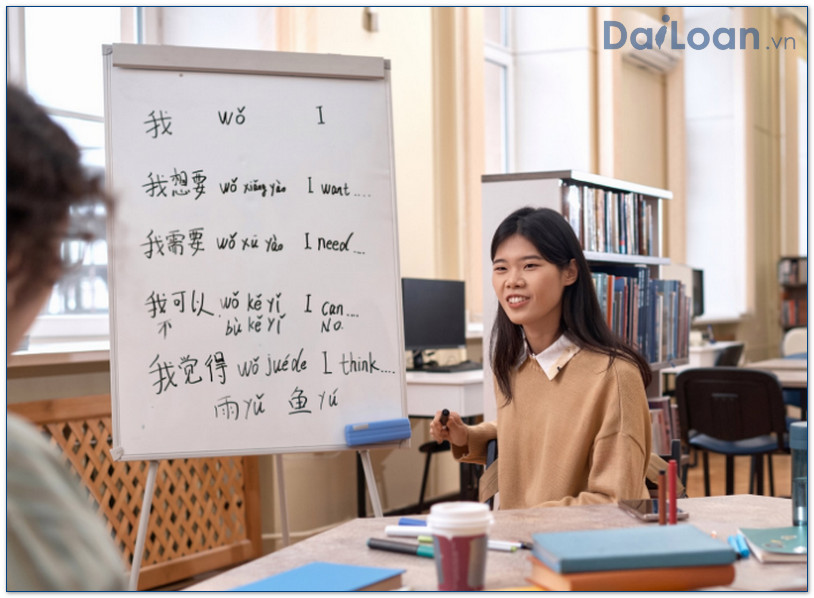
Here are some common grammatical structures using 歌手:
- Subject + 是 + 歌手 (Subject + shì + gē shǒu) – “is a singer“
- Verb + 歌手 (Verb + gē shǒu) – “

Example Sentences Using 歌手
Basic Examples
To better understand the usage of 歌手, here are several example sentences:
- 她是一位非常有名的歌手。 (Tā shì yī wèi fēicháng yǒumíng de gēshǒu.)
“She is a very famous singer.” - 这位歌手的音乐深受欢迎。 (Zhè wèi gēshǒu de yīnyuè shēn shòu huānyíng.)
“This singer’s music is very popular.” - 我想成为一名歌手。 (Wǒ xiǎng chéngwéi yī míng gēshǒu.)
“I want to become a singer.”

Advanced Examples
For those looking to deepen their understanding, here are more complex sentences:
- 在音乐会上,他表现得像一个真正的歌手。 (Zài yīnyuè huì shàng, tā biǎoxiàn de xiàng yīgè zhēnzhèng de gēshǒu.)
“At the concert, he performed like a true singer.” - 许多年轻人梦想着能够成为著名的歌手。 (Xǔduō niánqīng rén mèngxiǎng zhe nénggòu chéngwéi zhùmíng de gēshǒu.)
“Many young people dream of becoming famous singers.”
Conclusion: Embracing the Nuances of 歌手
Understanding the meaning and structure of 歌手 (gē shǒu) provides a critical foundation for learners of Chinese. This word not only encompasses the act of singing but also embodies the culture and emotions tied to music. As you continue your journey in learning Mandarin, remember that each word holds a story waiting to be discovered. By using 歌手 in your conversations and writings, you not only enhance your language skills but also connect with the rich tapestry of Chinese music culture.


Sứ mệnh của Chuyên là giúp đỡ và truyền cảm hứng cho các bạn trẻ Việt Nam sang Đài Loan học tập, sinh sống và làm việc. Là cầu nối để lan tỏa giá trị tinh hoa nguồn nhân lực Việt Nam đến với Đài Loan và trên toàn cầu.
CÓ THỂ BẠN QUAN TÂM
Du học Đài Loan
Lao Động Đài Loan
Việc Làm Đài Loan
Đơn Hàng Đài Loan
Visa Đài Loan
Du Lịch Đài Loan
Tiếng Đài Loan
KẾT NỐI VỚI CHUYÊN
Zalo: https://zalo.me/0936126566
Website: www.dailoan.vn