



The term 演講 (yǎn jiǎng) is pivotal in the landscape of Mandarin Chinese, encapsulating the art of public speaking and presentations. Understanding this term is crucial for anyone looking to master the language and engage effectively in social and academic settings. In this article, we delve into the meaning, grammatical structure, and practical usage through example sentences.
What Does 演講 (yǎn jiǎng) Mean?
At its core, 演講 (yǎn jiǎng) translates to “speech” or “lecture” in English. It refers to the act of delivering a talk or lecture, usually to inform, persuade, or entertain an audience. The term is often used in educational and professional contexts and is integral to discussions, seminars, and conferences.
Grammatical Structure of 演講
To comprehend 演講 (yǎn jiǎng) fully, let’s break down its grammatical components.
Characters Breakdown
演 (yǎn) – This character means “to perform” or “to act.” It is often associated with performing arts but can also refer to presenting information.
講 (jiǎng) – This character means “to speak” or “to talk.” It signifies verbal communication, focusing on the act of discussing or explaining content.
Pronunciation
演講 is pronounced as yǎn jiǎng, where ‘yǎn’ carries a third tone and ‘jiǎng’ carries a third tone as well. The tone is essential as it helps convey meaning in spoken Mandarin.
Combination Meaning
Together, 演講 (yǎn jiǎng) embodies the concept of “performing a talk,” capturing both the act of speaking and the engaged presentation before an audience.
Example Sentences Using 演講
To further enhance your understanding, here are several example sentences that illustrate the use of 演講 (yǎn jiǎng) in context:
1. Introduction to a Lecture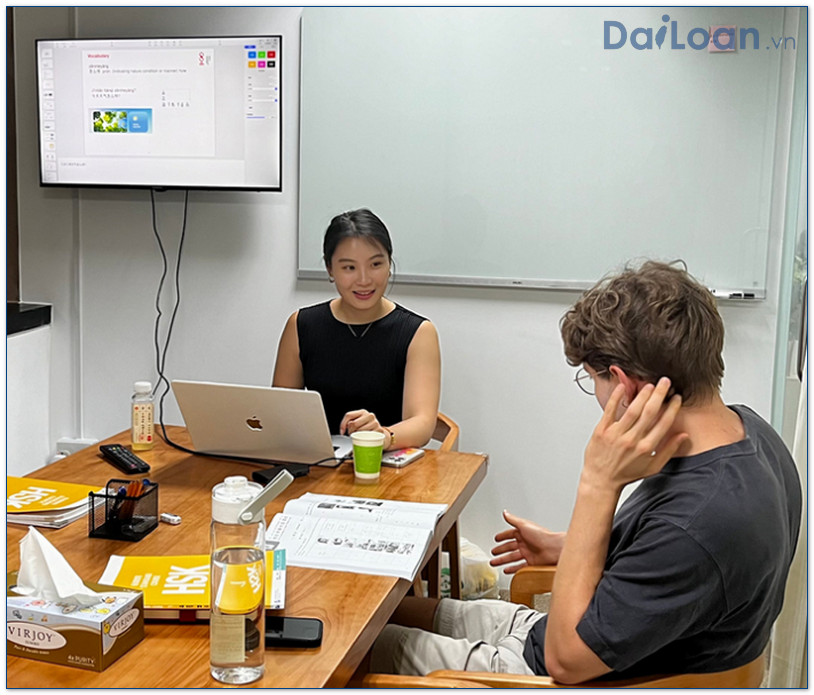

他今天要演講一個有關環境保護的主題。
Translation: He is going to give a speech today on the topic of environmental protection.
2. Discussing Experience
我在大學時期參加過很多次的演講比賽。
Translation: I participated in many speech competitions during my college years.

3. Expressing Capability
她的演講能力讓我們所有人都印象深刻。
Translation: Her speaking ability impressed all of us.
4. Planning an Event
我們下個月會舉辦一個演講活動,歡迎大家參加。
Translation: We will hold a speaking event next month and welcome everyone to participate.
5. Request for Feedback
在演講結束後,請大家給予一些反饋。
Translation: After the speech, everyone is invited to give some feedback.
Conclusion

In conclusion, understanding 演講 (yǎn jiǎng) provides essential insight into not only the act of public speaking but also its significance in education and communication in Chinese culture. The proper use of this term can enhance your Mandarin proficiency and open doors to greater engagement in dialogues, lectures, and various professional situations. Whether you are a beginner or an advanced learner, mastering 演講 is a step toward fluency.


Sứ mệnh của Chuyên là giúp đỡ và truyền cảm hứng cho các bạn trẻ Việt Nam sang Đài Loan học tập, sinh sống và làm việc. Là cầu nối để lan tỏa giá trị tinh hoa nguồn nhân lực Việt Nam đến với Đài Loan và trên toàn cầu.
CÓ THỂ BẠN QUAN TÂM
Du học Đài Loan
Lao Động Đài Loan
Việc Làm Đài Loan
Đơn Hàng Đài Loan
Visa Đài Loan
Du Lịch Đài Loan
Tiếng Đài Loan
KẾT NỐI VỚI CHUYÊN
Zalo: https://zalo.me/0936126566
Website: www.dailoan.vn