


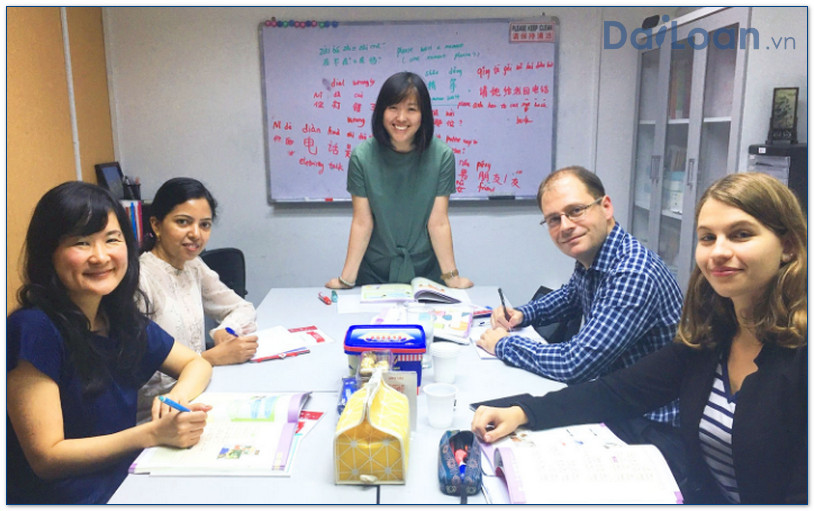
Learning a new language is an exciting journey, and understanding individual words can significantly enhance your proficiency. One such term in Mandarin Chinese is 進入 (jìn rù), which holds essential importance in daily communication. In this article, we will explore the meaning of 進入, its grammatical structure, and provide example sentences to illustrate its usage effectively.
Understanding the Meaning of 進入 (jìn rù)
The term 進入 (jìn rù) translates to “to enter” or “to go into” in English. It is often used in various contexts, ranging from physical entry into a location to abstract concepts like entering a new phase in life or a state of mind. The characters that comprise 進入 hold their own meanings: 進 (jìn) means “to advance” or “to proceed,” while 入 (rù) means “to enter” or “to go in.” Together, they convey the act of moving into a space, whether literal or metaphorical.
Grammatical Structure of 進入 (jìn rù)
Parts of Speech
進入 is a verb phrase in Mandarin, and it can function as a main verb or part of a verb phrase. In sentences, it can be accompanied by various grammatical components, such as objects and modifiers. Here’s a breakdown of its structure:

- Subject (S): The doer of the action.
- Verb (V): 進入 (jìn rù)
- Object (O): The location or state being entered.
- Adverbials: Additional information can be provided, such as time and manner.
Sentence Structure
A typical sentence using 進入 follows the SVO (Subject-Verb-Object) structure. For example:
我 (wǒ)進入 (jìn rù) 教室 (jiàoshì)
This sentence translates to “I enter the classroom.”
Example Sentences Using 進入 (jìn rù)
To fully grasp the usage of 進入 (jìn rù), let’s explore various example sentences across different contexts:
Physical Entry
- 他走進入了商店。(Tā zǒu jìn rùle shāngdiàn.)
- Translation: “He walked into the store.”
Entering a New Phase
- 我們正進入一個新的時代。(Wǒmen zhèng jìn rù yīgè xīn de shídài.)
- Translation: “We are entering a new era.”
Connecting with Ideas
- 他開始進入深度思考。(Tā kāishǐ jìn rù shēndù sīkǎo.)
- Translation: “He started to enter deep thought.”
Inquiring for Entry
- 請問,我可以進入嗎?(Qǐngwèn, wǒ kěyǐ jìn rù ma?)
- Translation: “Excuse me, may I enter?”
Conclusion
Understanding the meaning and grammatical structure of 進入 (jìn rù) allows for richer communication in Mandarin Chinese. With its applications in physical movement and metaphorical transitions, mastering this term is a foundational step in becoming proficient in the language. Use the examples given to practice and integrate 進入 into your conversations. Learning a language is not just about vocabulary, but also about understanding culture and context— so keep exploring!


Sứ mệnh của Chuyên là giúp đỡ và truyền cảm hứng cho các bạn trẻ Việt Nam sang Đài Loan học tập, sinh sống và làm việc. Là cầu nối để lan tỏa giá trị tinh hoa nguồn nhân lực Việt Nam đến với Đài Loan và trên toàn cầu.
CÓ THỂ BẠN QUAN TÂM
Du học Đài Loan
Lao Động Đài Loan
Việc Làm Đài Loan
Đơn Hàng Đài Loan
Visa Đài Loan
Du Lịch Đài Loan
Tiếng Đài Loan
KẾT NỐI VỚI CHUYÊN
Zalo: https://zalo.me/0936126566
Website: www.dailoan.vn