


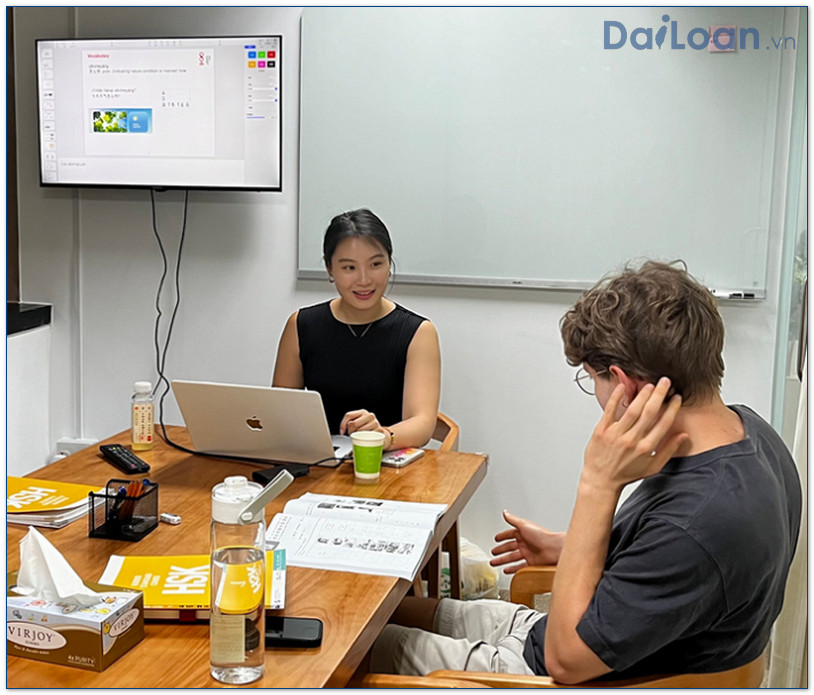
Introduction to 長壽 (cháng shòu)
The term 長壽 (cháng shòu) holds significant cultural value in Chinese society, often associated with longevity, health, and prosperity. In a world where many seek the secret to a long and fulfilling life, understanding this concept provides both linguistic and cultural insights.
What Does 長壽 (cháng shòu) Mean?
In its simplest form, 長壽 translates to “long life” in English. The first character, 長 (cháng), means “long” or “lengthy,” while the second character, 壽 (shòu), refers to “life” or “longevity.” Together, they encapsulate the idea of a prolonged and healthy life. This term is often invoked during celebrations such as birthdays and festivals, highlighting wishes for good health and a long life.
Grammatical Structure of 長壽
The grammatical structure of 長壽 is straightforward:
- 長 (cháng): An adjective meaning “long.” It can modify nouns or stand alone depending on context.
- 壽 (shòu): A noun meaning “life” or “longevity.” It is often used in various contexts related to health, age, and existence.

As a compound word, 長壽 functions as a noun in sentences, often used in celebratory phrases or proverbs.
Example Sentences Using 長壽
Understanding the use of 長壽 through context is vital. Here are some example sentences:
- 祝您長壽! (Zhù nín cháng shòu!) – “Wishing you a long life!”
- 長壽是每個人都想要的。 (Cháng shòu shì měi gè rén dōu xiǎng yào de.) – “Longevity is something everyone desires.”
- 這道菜是用來慶祝長壽的。 (Zhè dào cài shì yòng lái qìng zhù cháng shòu de.) – “This dish is used to celebrate longevity.”
- 他活到了九十歲,真是長壽! (Tā huó dào le jiǔshí suì, zhēn shì cháng shòu!) – “He lived to ninety, truly a long life!”
Conclusion
In conclusion, 長壽 (cháng shòu)


Sứ mệnh của Chuyên là giúp đỡ và truyền cảm hứng cho các bạn trẻ Việt Nam sang Đài Loan học tập, sinh sống và làm việc. Là cầu nối để lan tỏa giá trị tinh hoa nguồn nhân lực Việt Nam đến với Đài Loan và trên toàn cầu.
CÓ THỂ BẠN QUAN TÂM
Du học Đài Loan
Lao Động Đài Loan
Việc Làm Đài Loan
Đơn Hàng Đài Loan
Visa Đài Loan
Du Lịch Đài Loan
Tiếng Đài Loan
KẾT NỐI VỚI CHUYÊN
Zalo: https://zalo.me/0936126566
Website: www.dailoan.vn