



Introduction to 傾聽 (qīng tīng)
The term 傾聽 (qīng tīng) is a profound concept in Chinese that translates to “to listen attentively” or “to listen earnestly.” In a world filled with distractions, the ability to engage in 傾聽 becomes crucial for effective communication and understanding. This article delves deep into the meaning, grammatical structure, and practical usage of 傾聽 (qīng tīng) to enhance your mastery of the Chinese language.
Understanding the Meaning of 傾聽 (qīng tīng)
The Essence of 傾聽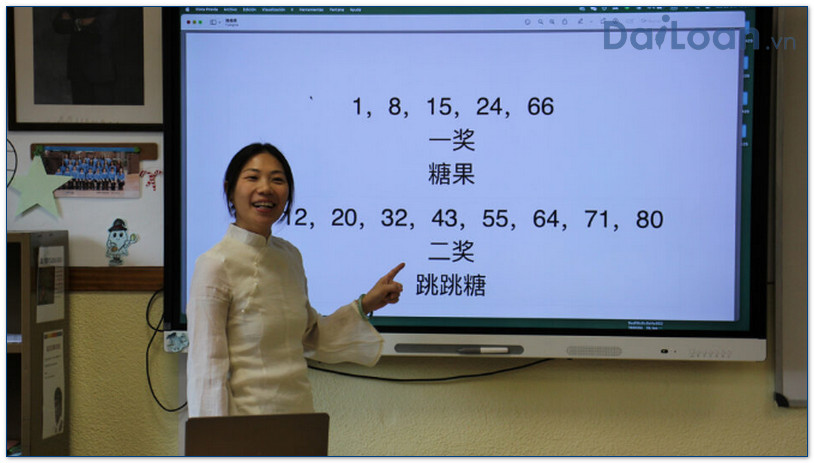

At its core, 傾聽 embodies the act of being present and fully engaged during a conversation. It suggests not only hearing what is being said but also understanding the emotions and intentions behind the words. This form of listening is integral in fostering deeper connections and resolving conflicts.
Cultural Significance
In Chinese culture, 傾聽 signifies respect for the speaker and an openness to diverse perspectives. It is seen as a valuable skill in personal and professional relationships, promoting harmony and empathy.
Grammatical Structure of 傾聽
Breaking Down the Characters
傾聽 is composed of two characters: 傾 (qīng) and 聽 (tīng).
- 傾 (qīng) means “to lean” or “to tilt,” suggesting an inclination towards something.
- 聽 (tīng) means “to listen.” This character conveys the act of hearing through attentive engagement.
Usage in Sentences
The structure of 傾聽 follows standard Mandarin grammatical rules. It can be used as a verb in various tenses and forms, often accompanied by adverbs or modifiers that enhance the context of listening.
Example Sentences Using 傾聽
Simple Sentences
- 我在傾聽你說的話。 (Wǒ zài qīng tīng nǐ shuō de huà.) – “I am listening to what you are saying.”
- 請傾聽我的意見。 (Qǐng qīng tīng wǒ de yìjiàn.) – “Please listen to my opinion.”
Complex Sentences
- 為了更好地理解對方,我們需要學會傾聽。
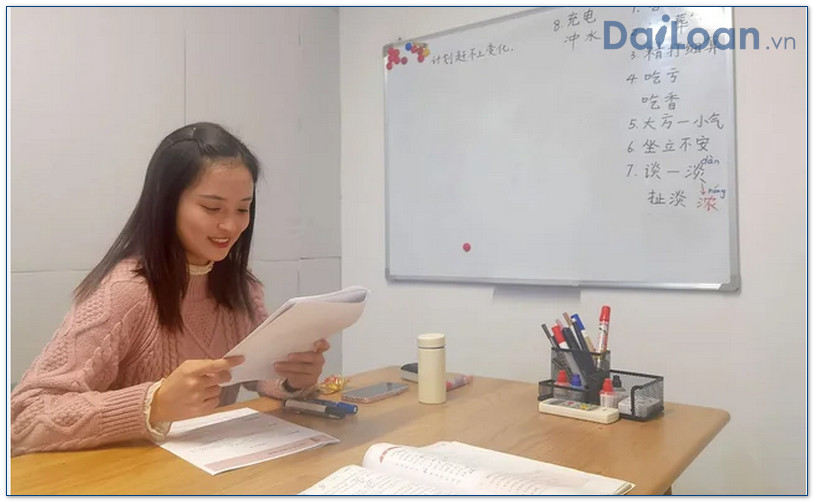
- 在會議上,傾聽每位成員的意見是非常重要的。 (Zài huìyì shàng, qīng tīng měi wèi chéngyuán de yìjiàn shì fēicháng zhòngyào de.) – “It is very important to listen to the opinions of each member in the meeting.”

Conclusion
In conclusion, the concept of 傾聽 (qīng tīng) extends beyond mere auditory reception; it embodies the heart of meaningful communication in Chinese culture. By mastering the usage and understanding of this term, you will enhance your Chinese language skills and foster more profound connections in both personal and professional settings. Embrace the art of 傾聽 as a vital part of your communication practice!


Sứ mệnh của Chuyên là giúp đỡ và truyền cảm hứng cho các bạn trẻ Việt Nam sang Đài Loan học tập, sinh sống và làm việc. Là cầu nối để lan tỏa giá trị tinh hoa nguồn nhân lực Việt Nam đến với Đài Loan và trên toàn cầu.
CÓ THỂ BẠN QUAN TÂM
Du học Đài Loan
Lao Động Đài Loan
Việc Làm Đài Loan
Đơn Hàng Đài Loan
Visa Đài Loan
Du Lịch Đài Loan
Tiếng Đài Loan
KẾT NỐI VỚI CHUYÊN
Zalo: https://zalo.me/0936126566
Website: www.dailoan.vn