


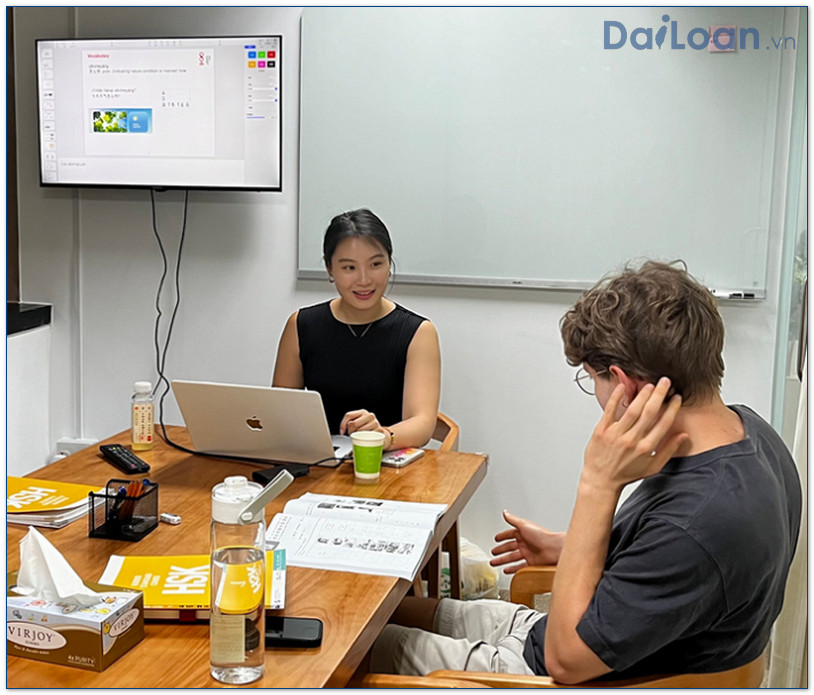
In the Chinese language, every character conveys a rich tapestry of meanings and usages. One such character is 換 (huàn), which translates primarily to “exchange” or “change.” This article explores the profound aspects of 換, its grammatical structure, and provides example sentences to illustrate its versatility.
Understanding the Meaning of 換 (huàn)
The character 換 (huàn) originates from the idea of exchanging one thing for another. It encapsulates a range of meanings, from the literal act of swapping items to abstract notions of changing conditions or states. In various contexts, 換 can suggest:
- To exchange: Such as exchanging goods or services.
- To change: In terms of transformation or alteration.
- To replace: Substituting one thing for another.
Grammatical Structure of 換
Part of Speech
換 (huàn) is primarily used as a verb. It can appear in various grammatical constructions, including compound verbs and phrases. Understanding its usage is crucial for forming grammatically correct sentences in Chinese.
Common Grammatical Constructions
In Chinese, verbs are often paired with specific particles to express tense, aspect, or modality. The use of 換 can be observed in the following constructions:
- 換 + Object: Subject + 換 + Object (e.g., 我換錢 – I exchange money).
- 換為 + New Object: Subject + 換為 + New Object (e.g., 我換為新的 – I change to a new one).
- 把 + Object + 換掉: Subject + 把 + Object + 換掉 (e.g., 我把舊的換掉 – I replace the old one).
Example Sentences Using 換
To better illustrate the practical application of 換 (huàn), here are several example sentences:
Everyday Usage
- 我想換這雙鞋子。 (Wǒ xiǎng huàn zhè shuāng xiézi.) – I want to exchange these shoes.
- 你可以把這本書換成那本。 (Nǐ kěyǐ bǎ zhè běn shū huàn chéng nà běn.) – You can exchange this book for that one.
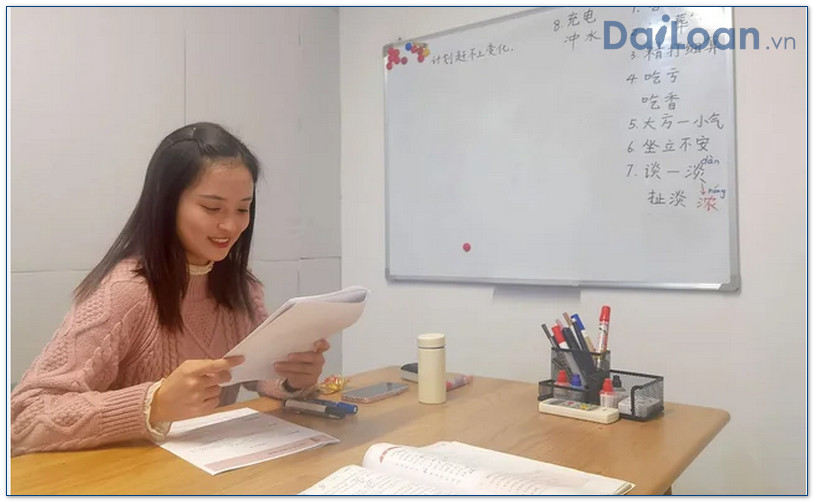
- 我們需要換個地方。 (Wǒmen xūyào huàn gè dìfāng.) – We need to change to another place.

Formal Contexts
- 這個產品需要換新。 (Zhège chǎnpǐn xūyào huàn xīn.) – This product needs to be replaced with a new one.
- 如果你不滿意,你可以選擇換。 (Rúguǒ nǐ bù mǎnyì, nǐ kěyǐ xuǎnzé huàn.) – If you are not satisfied, you can choose to exchange.
Expressions and Idioms

In addition to its basic usage, 換 is also present in several idiomatic expressions, enhancing its richness in language:
- 換位思考 (huànwèi sīkǎo) – to think from someone else’s perspective.
- 換個口味 (huàn gè kǒuwèi) – to try a different taste.
Conclusion
The character 換 (huàn) is an essential part of the Chinese language and offers a wealth of meanings and usages. Its broad application in everyday conversations and formal contexts makes it an invaluable term for language learners and enthusiasts. By understanding its grammatical structure and observing its use in various example sentences, one can effectively incorporate 換 into their Chinese vocabulary.
Remember, mastering characters like 換 leads to a deeper appreciation of the intricacies of the Chinese language. Continue practicing, and you will find that your ability to express ideas in Chinese becomes ever more fluent.


Sứ mệnh của Chuyên là giúp đỡ và truyền cảm hứng cho các bạn trẻ Việt Nam sang Đài Loan học tập, sinh sống và làm việc. Là cầu nối để lan tỏa giá trị tinh hoa nguồn nhân lực Việt Nam đến với Đài Loan và trên toàn cầu.
CÓ THỂ BẠN QUAN TÂM
Du học Đài Loan
Lao Động Đài Loan
Việc Làm Đài Loan
Đơn Hàng Đài Loan
Visa Đài Loan
Du Lịch Đài Loan
Tiếng Đài Loan
KẾT NỐI VỚI CHUYÊN
Zalo: https://zalo.me/0936126566
Website: www.dailoan.vn