



In the fascinating world of the Chinese language, 每一個字都有其特定的意義 (each character has its specific meaning). One such character is 時候 (shíhòu), which plays a significant role in expressing time-related concepts. In this comprehensive guide, we will delve into the meaning of 時候, its grammatical structure, and provide various example sentences to illustrate its use.
Understanding the Meaning of 時候 (shíhòu)
The term 時候 (shíhòu) is typically translated to “time” or “when” in English. However, its nuances extend beyond these simple definitions. 時候 can refer to a specific moment in time, a period in a broader sense, or even a particular occasion. Its versatility makes it an essential word for conveying temporal context in conversations.
Contextual Meaning
To grasp the full implications of 時候, consider its application in various contexts:
- Specific Moment: Referring to a particular point in time.
- General Period: Indicating a range or duration, like a season or an era.
- Occasion: Used in contexts relating to events or occasions.
The Grammatical Structure of 時候
Understanding the grammatical structure of 時候 (shíhòu) is crucial for effective communication in Chinese. Here, we dissect its composition and typical usage forms.
Basic Structure
時候 operates primarily as a noun in sentences. It is often used in conjunction with other words to form phrases that give time-related information.
Common Combinations
- 在…時候 (zài…shíhòu): Meaning “at the time when…”
- 什麼時候 (shénme shíhòu): Meaning “when?”
- 那時候 (nà shíhòu): Meaning “at that time.”
Example Sentences Using 時候
Now that we have a foundational understanding of 時候 (shíhòu) and its grammatical structure, let us explore some practical examples:
1. Specific Times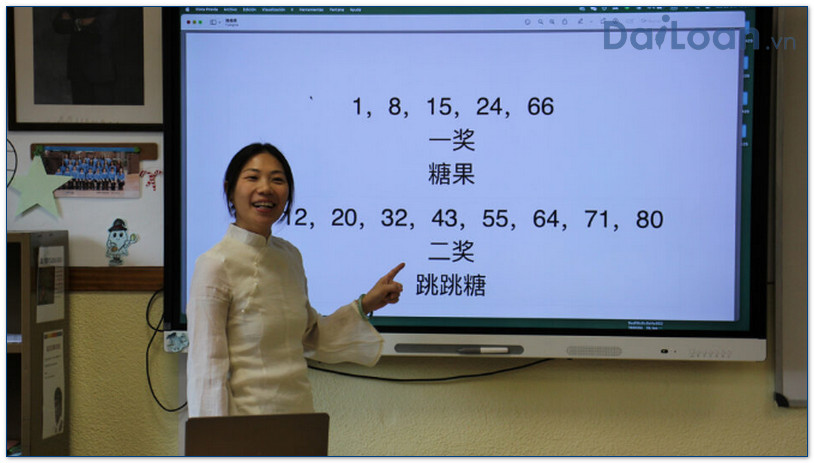

在會議的時候,我們討論了新的計劃。
(Zài huìyì de shíhòu, wǒmen tǎolùnle xīn de jìhuà.)
Translation: “During the meeting, we discussed the new plan.”
2. Asking About Time
你什麼時候打算回家?
(Nǐ shénme shíhòu dǎsuàn huí jiā?)
Translation: “When do you plan to go home?”
3. General Periods
春天的時候,花會盛開。
(Chūntiān de shíhòu, huā huì shèngkāi.)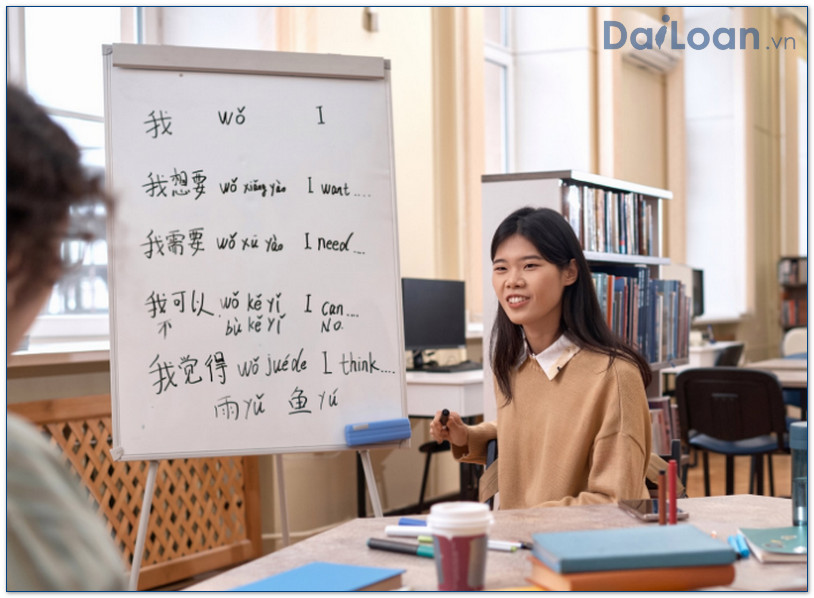

Translation: “In spring, the flowers will bloom.”
4. Referring to Past Events
在我年輕的時候,我常常旅行。
(Zài wǒ niánqīng de shíhòu, wǒ chángcháng lǚxíng.)
Translation: “When I was young, I often traveled.”
5. Future Plans
下個月的時候,我會去中國。
(Xià gè yuè de shíhòu, wǒ huì qù Zhōngguó.)
Translation: “I will go to China next month.”
Conclusion
In concluding our exploration of 時候 (shíhòu), we see that its versatility makes it indispensable in daily conversations. From specifying moments to discussing general periods, the understanding of its grammatical structure and appropriate contexts enriches our ability to express time in Chinese.
For those wishing to deepen their understanding of the Chinese language, mastering words like 時候 is a significant step forward. By using the example sentences provided, learners can practice and improve their conversational skills effectively.


Sứ mệnh của Chuyên là giúp đỡ và truyền cảm hứng cho các bạn trẻ Việt Nam sang Đài Loan học tập, sinh sống và làm việc. Là cầu nối để lan tỏa giá trị tinh hoa nguồn nhân lực Việt Nam đến với Đài Loan và trên toàn cầu.
CÓ THỂ BẠN QUAN TÂM
Du học Đài Loan
Lao Động Đài Loan
Việc Làm Đài Loan
Đơn Hàng Đài Loan
Visa Đài Loan
Du Lịch Đài Loan
Tiếng Đài Loan
KẾT NỐI VỚI CHUYÊN
Zalo: https://zalo.me/0936126566
Website: www.dailoan.vn