



Introduction
Understanding the Chinese language can be a rewarding journey, and one of the essential terms every learner should grasp is 練習 (liànxí). In this article, we will unravel its meaning, grammatical structure, and provide example sentences that illustrate its usage. Whether you are a novice or an advanced learner, this guide will enhance your knowledge and linguistic skills.
The Meaning of 練習 (liànxí)
The term 練習 (liànxí) translates to “practice” or “exercise” in English. It encapsulates the idea of repeating an activity or technique to improve proficiency. In various contexts, it may refer to practicing a skill, rehearsing for a performance, or preparing for examinations. The essence of
Grammatical Structure of 練習 (liànxí)
Understanding the grammatical structure of 

As a Noun
When used as a noun, 練習 refers to a specific activity or exercise aimed at cultivating a skill. For instance:
- 我需要一些練習來提高我的中文。(Wǒ xūyào yīxiē liànxí lái tígāo wǒ de zhōngwén.) — I need some practice to improve my Chinese.
As a Verb
練習 can also function as a verb, meaning “to practice” or “to train.” For example:
- 我每天練習彈鋼琴。(Wǒ měitiān liànxí tán gāngqín.) — I practice playing the piano every day.
Common Collocations
Collocations with 練習 help convey specific meanings or contexts:
- 口語練習 (kǒuyǔ liànxí) – speaking practice
- 寫作練習 (xiězuò liànxí) – writing practice
- 考試練習 (kǎoshì liànxí) – exam practice
Example Sentences Using 練習 (liànxí)
Here’s a selection of sentences that showcase how to use 練習 in various contexts:
1. Daily Practice
每天練習是學習新語言的關鍵。(Měitiān liànxí shì xuéxí xīn yǔyán de guānjiàn.) — Practicing every day is the key to learning a new language.
2. Preparing for an Exam
為了準備考試,他參加了模擬考試練習。(Wèi le zhǔnbèi kǎoshì, tā cānjiāle mó nǐ kǎoshì liànxí.) — To prepare for the exam, he participated in mock exam practices.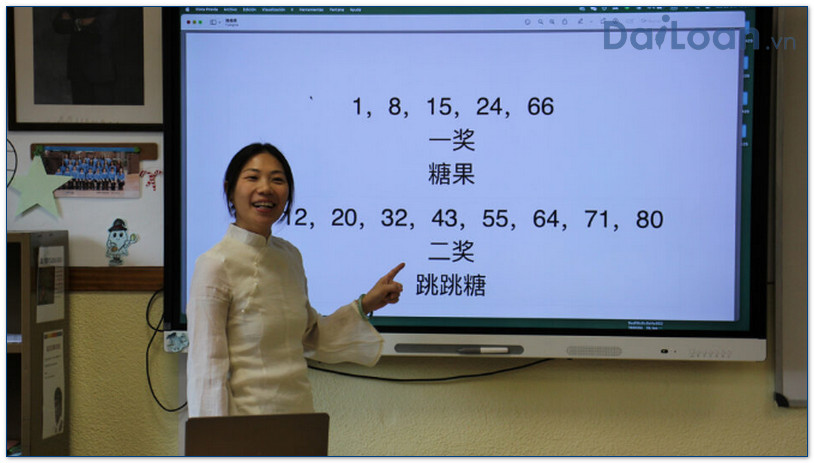

3. Enhancing Skils
她的唱歌技巧因為不斷的練習而提高。(Tā de chànggē jìqiǎo yīnwèi bùduàn de liànxí ér tígāo.) — Her singing skills improved due to constant practice.
4. Group Practice
我們可以一起練習口語,提高口語能力。(Wǒmen kěyǐ yīqǐ liànxí kǒuyǔ, tígāo kǒuyǔ nénglì.) — We can practice speaking together to improve our speaking skills.
Conclusion
In conclusion, understanding 練習 (liànxí) is vital for anyone looking to master the Chinese language. Its meanings, varied grammatical applications, and practical usage through example sentences carve out a path for effective language learning. Incorporating 練習 into your vocabulary can propel your understanding and fluency in Chinese, ensuring that you continue to grow and develop your language skills.


Sứ mệnh của Chuyên là giúp đỡ và truyền cảm hứng cho các bạn trẻ Việt Nam sang Đài Loan học tập, sinh sống và làm việc. Là cầu nối để lan tỏa giá trị tinh hoa nguồn nhân lực Việt Nam đến với Đài Loan và trên toàn cầu.
CÓ THỂ BẠN QUAN TÂM
Du học Đài Loan
Lao Động Đài Loan
Việc Làm Đài Loan
Đơn Hàng Đài Loan
Visa Đài Loan
Du Lịch Đài Loan
Tiếng Đài Loan
KẾT NỐI VỚI CHUYÊN
Zalo: https://zalo.me/0936126566
Website: www.dailoan.vn