


Introduction
Language is a gateway to understanding culture, and knowing specific terms can greatly enrich this understanding. One such term in Mandarin is 青年 (qīng nián), which directly translates to “youth” or “young people.” In this article, we will delve into the meanings, grammatical structure, and example sentences to better illustrate its usage in contemporary Chinese.
Understanding 青年 (qīng nián)
Meaning of 青年
The term 青年 comprises two characters:
- 青 (qīng): This character literally means “green” and is often associated with youthfulness, freshness, and vitality.
- 年 (nián): This character translates to “year” or “age.”
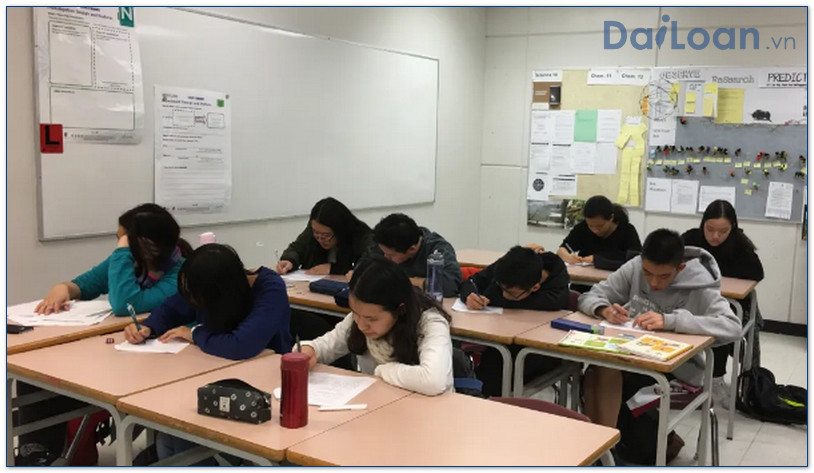
When combined, 青年 (qīng nián) signifies the young generation or youth, referring specifically to individuals typically between the ages of 15 and 24 years old. It encompasses not only the age group but also the spirit and potential associated with being young.
Cultural Significance of 青年
In Chinese society, the term 青年 carries substantial weight. The youth are often seen as innovators and vital contributors to social change. Events like “Youth Day” (五四青年节) celebrate their role in shaping the future. Understanding this term is not just about language; it also provides insight into societal values.
Grammatical Structure of 青年
Breaking Down the Grammar
When using 青年 in Mandarin, it is essential to recognize its grammatical roles. As a noun, it can function in various ways, often indicating subjects or objects in a sentence.
Sentence Construction with 青年
- Subject Noun:
青年是国家的未来。(qīng nián shì guó jiā de wèi lái.)– “Young people are the future of the nation.”
- Object Noun:
我们关注青年发展。(wǒ men guān zhù qīng nián fā zhǎn.)– “We are concerned about youth development.” - Adjective:
这是一个青年团体。(zhè shì yī gè qīng nián tuán tǐ.)– “This is a youth organization.”

Example Sentences Using 青年
Practical Applications in Sentences
To fully grasp the usage of 青年, let’s look at various example sentences:
许多青年希望出国留学。(xǔ duō qīng nián xī wàng chū guó liú xué.)– “Many young people hope to study abroad.”这个电影主要讲述了青年人的生活。(zhè gè diàn yǐng zhǔ yào jiǎng shù le qīng nián rén de shēng huó.)– “This movie mainly tells the story of young people’s lives.”青年在社会变革中扮演着重要角色。(qīng nián zài shè huì biàn gé zhōng bàn yǎn zhe zhòng yào jué sè.)– “Youth play an important role in social change.”许多青年投身于志愿活动。(xǔ duō qīng nián tóu shēn yú zhì yuàn huó dòng.)– “Many young people engage in volunteer activities.”
Conclusion
In summary, the term 青年 (qīng nián) is not only significant in terms of its literal definition but also in its cultural context. Understanding its grammatical structure and application in sentences allows language learners to use it effectively, providing more depth to their communication in Mandarin. As we engage with the youth of today, recognizing the value attributed to them through terms like 青年 is crucial for fostering a deeper understanding of contemporary Chinese society.


Sứ mệnh của Chuyên là giúp đỡ và truyền cảm hứng cho các bạn trẻ Việt Nam sang Đài Loan học tập, sinh sống và làm việc. Là cầu nối để lan tỏa giá trị tinh hoa nguồn nhân lực Việt Nam đến với Đài Loan và trên toàn cầu.
CÓ THỂ BẠN QUAN TÂM
Du học Đài Loan
Lao Động Đài Loan
Việc Làm Đài Loan
Đơn Hàng Đài Loan
Visa Đài Loan
Du Lịch Đài Loan
Tiếng Đài Loan
KẾT NỐI VỚI CHUYÊN
Zalo: https://zalo.me/0936126566
Website: www.dailoan.vn