



Understanding 夥伴/伙伴 (huǒ bàn)
In the world of Chinese language, the term 夥伴/伙伴 (huǒ bàn) holds significant importance. Translating to “partner,” this term encompasses not just business partnerships but also friendships and collaborative relationships. It reflects the essence of working together towards common goals, making it vital in both social interactions and professional contexts.
The Grammatical Structure of 夥伴/伙伴
The term 夥伴/伙伴 (huǒ bàn) is structured with two components:
- 夥 (huǒ) – This character typically refers to a group or a collective, suggesting a sense of companionship.
- 伴 (bàn) – This character means companion or partner, further emphasizing the relational aspect.

When used in sentences, the term maintains its integrity as a noun and can undergo modifications with other words to specify the type of partnership (e.g., business partner, close friend). It can also serve as a subject or an object within a sentence.
Example Sentences Using 夥伴/伙伴
1. In Professional Contexts
Example sentence: 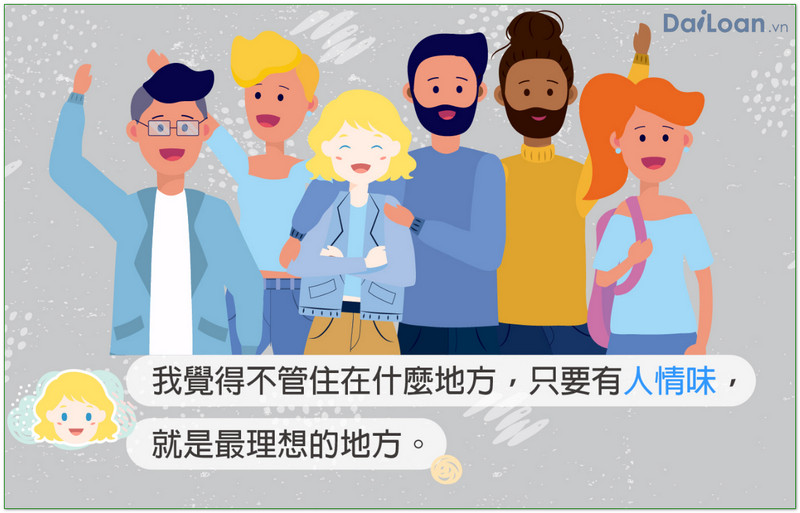

Translation: “We are a successful pair of business partners.”
2. In Social Contexts
Example sentence: 他是我最好的朋友和夥伴。 (Tā shì wǒ zuì hǎo de péngyǒu hé huǒbàn.)
Translation: “He is my best friend and partner.”
3. In Collaborative Efforts
Example sentence: 我们需要找到一个合适的合作夥伴。 (Wǒmen xūyào zhǎodào yīgè héshì de hézuò huǒbàn.)
Translation: “We need to find a suitable collaborative partner.”
Conclusion
The term 夥伴/伙伴 (huǒ bàn) extends beyond mere translation; it represents a fundamental concept of connection in Chinese culture. Whether in a personal, business, or social context, understanding this term provides deeper insights into collaborative relationships in Chinese society. As you continue to explore the language, remember that the language of partnership is universal, transcending boundaries and building bridges.


Sứ mệnh của Chuyên là giúp đỡ và truyền cảm hứng cho các bạn trẻ Việt Nam sang Đài Loan học tập, sinh sống và làm việc. Là cầu nối để lan tỏa giá trị tinh hoa nguồn nhân lực Việt Nam đến với Đài Loan và trên toàn cầu.
CÓ THỂ BẠN QUAN TÂM
Du học Đài Loan
Lao Động Đài Loan
Việc Làm Đài Loan
Đơn Hàng Đài Loan
Visa Đài Loan
Du Lịch Đài Loan
Tiếng Đài Loan
KẾT NỐI VỚI CHUYÊN
Zalo: https://zalo.me/0936126566
Website: www.dailoan.vn