


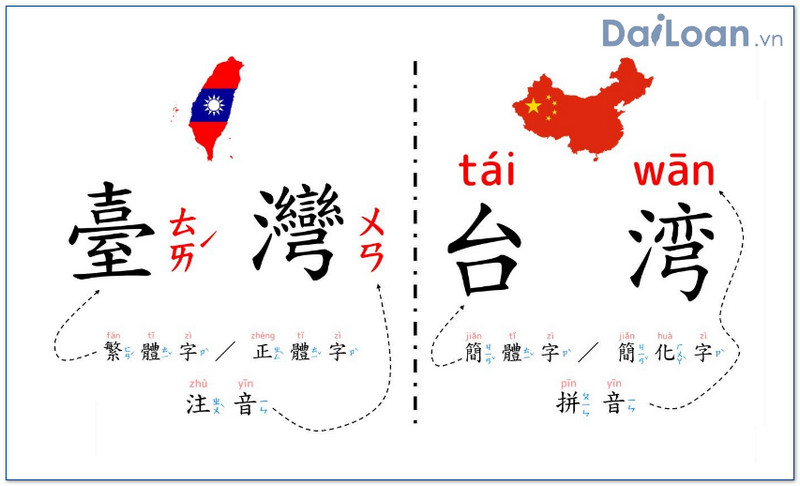
The Chinese character 箱 (xiāng) is a common yet fascinating element in the language, representing more than just a physical object. This article delves into the meaning, grammatical structure, and various example sentences using 箱 (xiāng) to illustrate its application in daily conversation.
Understanding 箱 (xiāng)
At its core, 箱 (xiāng) translates to “box” or “case” in English. It is often used to refer to a container designed to hold various items. The character is composed of two components: the radical 木 (mù), which means “wood,” indicating that a box is traditionally made from wood, and the component 相 (xiāng), which is primarily used in other contexts but complements the meaning as it indicates something that can hold things together.
Symbolism and Usage
In addition to its literal meaning, 箱 can symbolize containment or preservation in a broader philosophical context. For example, a 箱 could represent a memory box, implying it holds important memories or experiences. This layer of meaning enriches the understanding of the character in different contexts.
Grammatical Structure of 箱
As with many Chinese characters, 箱 (xiāng) can be incorporated into various grammatical structures to form compounds or phrases. It typically functions as a noun and can be modified by adjectives or used in conjunction with classifiers.
Classifiers and Usage
In Mandarin, nouns are often used with classifiers (measure words). The most common classifier for 箱 is 个 (gè). For instance, when specifying a box, you would say 一个箱 (yī gè xiāng), which translates to “one box.”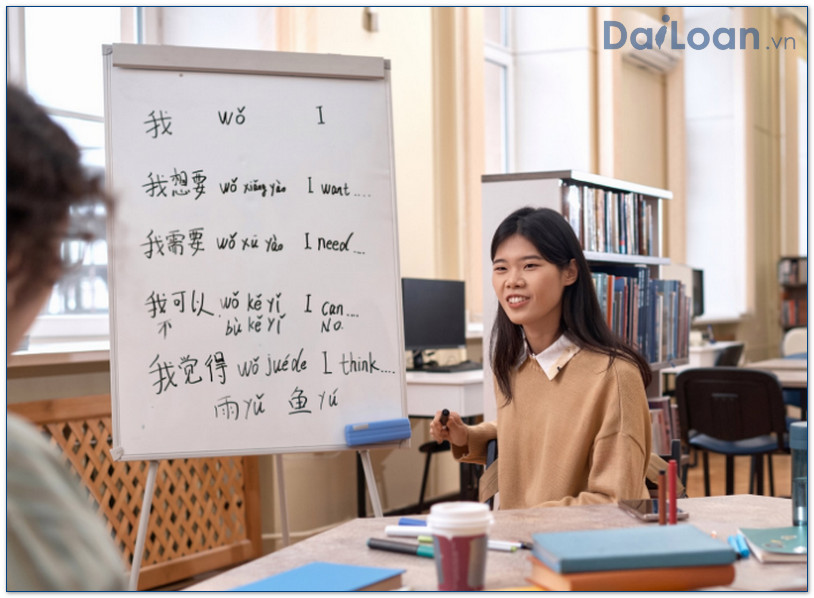

Verb Phrases
箱 can also be part of verb phrases, such as 装箱 (zhuāngxiāng), which means “to pack into a box.” This construction demonstrates how 箱 interacts dynamically with other elements in Chinese grammar.
Example Sentences Using 箱
Everyday Contexts
Understanding how to use 箱 in sentences can enhance your comprehension and fluency in Mandarin. Here are some illustrative examples:
- 我买了一个新箱。 (Wǒ mǎile yī gè xīn xiāng.) – “I bought a new box.”
- 她把衣服放在箱里。 (Tā bǎ yīfú fàng zài xiāng lǐ.) – “She put the clothes in the box.”
Extended Uses
箱 can also appear in more complex sentences:
- 这个箱子太重了,我提不动。 (Zhège xiāngzi tài zhòng le, wǒ tí bù dòng.) – “This box is too heavy, I cannot lift it.”
- 请把这些书装箱。 (Qǐng bǎ zhèxiē shū zhuāngxiāng.) – “Please pack these books into the box.”
Conclusion
In summary, 箱 (xiāng) is not just a simple noun; it encapsulates a variety of meanings and applications in Mandarin Chinese. Its grammatical versatility and richness in usage render it an essential word for learners. By understanding the character’s meaning, its grammatical structure, and how to use it in sentences, you can enhance your command of the Chinese language. Keep practicing and incorporating new vocabulary into your conversation to become more fluent and confident in your Mandarin speaking skills.



Sứ mệnh của Chuyên là giúp đỡ và truyền cảm hứng cho các bạn trẻ Việt Nam sang Đài Loan học tập, sinh sống và làm việc. Là cầu nối để lan tỏa giá trị tinh hoa nguồn nhân lực Việt Nam đến với Đài Loan và trên toàn cầu.
CÓ THỂ BẠN QUAN TÂM
Du học Đài Loan
Lao Động Đài Loan
Việc Làm Đài Loan
Đơn Hàng Đài Loan
Visa Đài Loan
Du Lịch Đài Loan
Tiếng Đài Loan
KẾT NỐI VỚI CHUYÊN
Zalo: https://zalo.me/0936126566
Website: www.dailoan.vn