


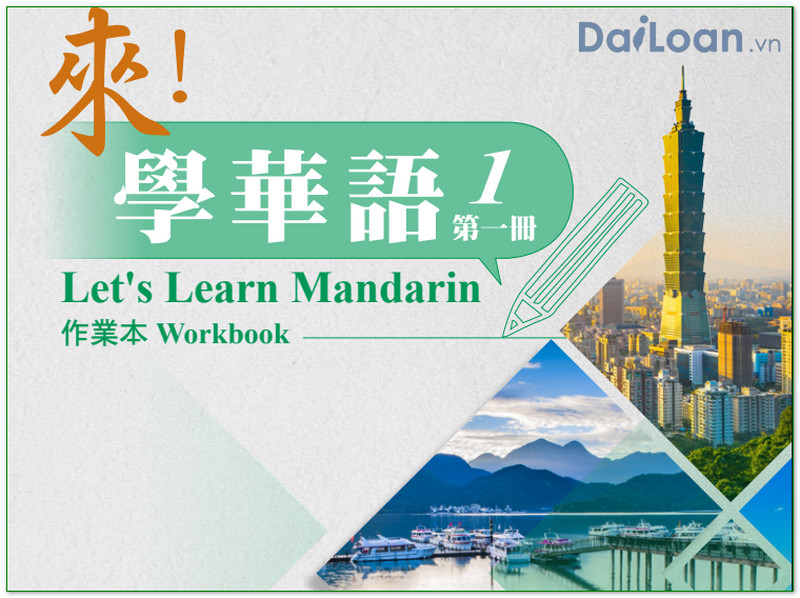
Introduction to 玩耍 (wán shuǎ)
The Chinese term 玩耍 (wán shuǎ), which translates to “play” or “frolic,” embodies a sense of joy, leisure, and childlike fun. Understanding its nuances and grammatical structure can enhance language proficiency for learners of Chinese. This article delves into the meaning, grammatical structure, and example sentences, providing a thorough overview for both students and enthusiasts of the language.
Meaning of 玩耍 (wán shuǎ)
玩耍 (wán shuǎ) is a combination of two characters:
- 玩 (wán): This character means “to play,” “to have fun,” or “to engage in recreational activities.”
- 耍 (shuǎ): This character means “to show off,” “to perform,” or “to play tricks.” Together with 玩, it emphasizes playful or carefree activities.
Overall, 玩耍 conveys a sense of engaging in playful activities that are leisurely and enjoyable. It can refer to children playing games, adults engaging in lighthearted activities, or even informal social gatherings centered around fun.
Grammatical Structure of 玩耍
Part of Speech
玩耍 is primarily used as a verb phrase in Chinese. Its structure may vary slightly depending on the context in which it is used.
Tense and Aspect
In Chinese, tense often relies on time indicators rather than verb conjugation. Using 玩耍 in different contexts allows it to adapt based on when the action takes place:
- Present Continuous: 我在玩耍 (Wǒ zài wán shuǎ):

- Simple Past: 我昨天玩耍了 (Wǒ zuótiān wán shuǎ le): “I played yesterday.”
- Future Tense: 我明天会玩耍 (Wǒ míngtiān huì wán shuǎ): “I will play tomorrow.”


Sentence Construction
玩耍 can appear in different sentence structures. Here are some simple examples:
- Subject + 玩耍 + Object:
孩子们在公园玩耍 (Háizimen zài gōngyuán wán shuǎ): “The children are playing in the park.” - Subject + 动词 + 玩耍 + Complement:
我们喜欢玩耍 (Wǒmen xǐhuān wán shuǎ): “We like to play.”
Example Sentences Using 玩耍
Everyday Scenarios
Here are some contexts in which 玩耍 can be used:
- 他们在一起玩耍 (Tāmen zài yīqǐ wán shuǎ): “They are playing together.”
- 在这个暑假,孩子们可以尽情地玩耍 (Zài zhège shǔjià, háizimen kěyǐ jìnqíng de wán shuǎ): “During this summer vacation, the children can play to their hearts’ content.”
- 他喜欢和朋友们在公园里玩耍 (Tā xǐhuān hé péngyǒumen zài gōngyuán lǐ wán shuǎ): “He enjoys playing in the park with his friends.”
Descriptive Usage
玩耍 can also be used descriptively to enhance storytelling or conversation:
- 在阳光明媚的日子里,孩子们总是在操场上玩耍 (Zài yángguāng míngmèi de rìzi lǐ, háizimen zǒng shì zài cāochǎng shàng wán shuǎ): “On sunny days, the children are always playing on the playground.”
- 她喜欢和猫咪一起玩耍 (Tā xǐhuān hé māomī yīqǐ wán shuǎ): “She loves to play with her cat.”
Conclusion
玩耍 (wán shuǎ) is a delightful term that encapsulates the essence of play in the Chinese language. Understanding its meaning, grammatical structure, and practical examples can significantly enhance your language skills. Whether you are using it to describe children’s activities or informal social gatherings, this term celebrates the joy of leisure and companionship. Embrace the spirit of 玩耍 in your conversations, and enjoy the fun that comes with playful interactions in Mandarin.


Sứ mệnh của Chuyên là giúp đỡ và truyền cảm hứng cho các bạn trẻ Việt Nam sang Đài Loan học tập, sinh sống và làm việc. Là cầu nối để lan tỏa giá trị tinh hoa nguồn nhân lực Việt Nam đến với Đài Loan và trên toàn cầu.
CÓ THỂ BẠN QUAN TÂM
Du học Đài Loan
Lao Động Đài Loan
Việc Làm Đài Loan
Đơn Hàng Đài Loan
Visa Đài Loan
Du Lịch Đài Loan
Tiếng Đài Loan
KẾT NỐI VỚI CHUYÊN
Zalo: https://zalo.me/0936126566
Website: www.dailoan.vn