


Understanding the Meaning of 花紋 (Huā wén)
In the intricate world of the Chinese language, the term 花紋 (huā wén) refers to patterns or designs, particularly floral motifs. This term encapsulates the beauty and complexity of art and nature, often seen in textiles, ceramics, and various forms of decorative arts. Let’s delve into this fascinating term to fully appreciate its dimensions and implications.
The Components of 花紋
The term 花紋 comprises two characters:
- 花 (huā): meaning “flower” or “blossom.”
- 紋 (wén)


Together, they convey a visual concept that marries the elegance of floral designs with the structure of patterns, embodying creativity and aesthetic appeal.
The Grammatical Structure of 花紋
From a grammatical perspective, 花紋 (huā wén) functions as a noun in Chinese. It can serve various roles within a sentence depending on its context. Let’s break down its grammatical structure:
Noun Usage
As a noun, 花紋 can be used in subject, object, or complement positions in a sentence. For instance:
- Subject: 花紋很漂亮。(Huā wén hěn piàoliang.) – The pattern is beautiful.
- Object: 我喜欢这个花紋。(Wǒ xǐhuān zhège huā wén.) – I like this pattern.
- Complement: 这个裙子有很多花紋。(Zhège qúnzi yǒu hěn duō huā wén.) – This dress has many patterns.
Example Sentences Using 花紋 (Huā wén)
To better illustrate the use of 花紋 in sentences, here are several diverse examples:
1. Artistic Context
这幅画的花紋非常复杂。(Zhè fú huà de huā wén fēicháng fùzá.) – The patterns in this painting are very intricate.
2. Traditional Chinese Crafts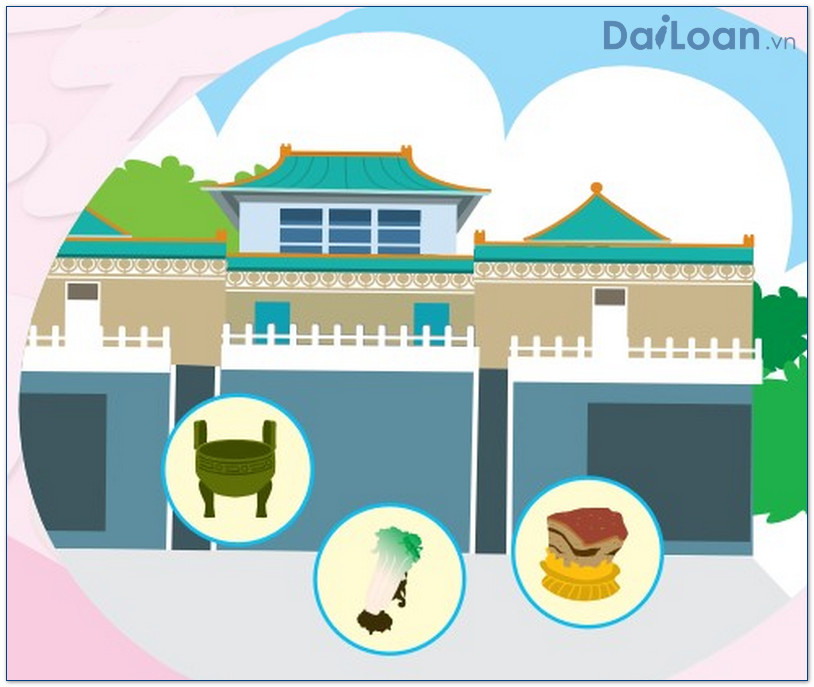

这件瓷器的花紋很有特色。(Zhè jiàn cíqì de huā wén hěn yǒu tèsè.) – The patterns on this porcelain piece are very distinctive.
3. Fashion and Textiles
她穿的裙子上有美丽的花紋。(Tā chuān de qúnzi shàng yǒu měilì de huā wén.) – The skirt she is wearing has beautiful patterns.
4. Nature and Environments
这个花园里有许多自然的花紋。(Zhège huāyuán lǐ yǒu xǔduō zìrán de huā wén.) – There are many natural patterns in this garden.
5. Symbolism in Culture
在中国文化中,花紋常常象征着好运。(Zài Zhōngguó wénhuà zhōng, huā wén chángcháng xiàngzhēng zhe hǎoyùn.) – In Chinese culture, patterns often symbolize good luck.
Conclusion: The Significance of 花紋 in Language and Culture
Understanding the term 花紋 (huā wén) extends beyond mere linguistics—it invites us into the rich tapestry of Chinese art and culture. Whether in the context of fashion, traditional crafts, or nature, 花紋 evokes a sense of beauty and intricacy that resonates deeply with the aesthetic values of society. By mastering terms like


Sứ mệnh của Chuyên là giúp đỡ và truyền cảm hứng cho các bạn trẻ Việt Nam sang Đài Loan học tập, sinh sống và làm việc. Là cầu nối để lan tỏa giá trị tinh hoa nguồn nhân lực Việt Nam đến với Đài Loan và trên toàn cầu.
CÓ THỂ BẠN QUAN TÂM
Du học Đài Loan
Lao Động Đài Loan
Việc Làm Đài Loan
Đơn Hàng Đài Loan
Visa Đài Loan
Du Lịch Đài Loan
Tiếng Đài Loan
KẾT NỐI VỚI CHUYÊN
Zalo: https://zalo.me/0936126566
Website: www.dailoan.vn