


In this article, we will dive deep into the term 女生 (nǚshēng), exploring its meaning, grammatical structure, and providing you with practical example sentences to enhance your understanding of this essential term in the Chinese language.
Understanding the Meaning of 女生 (nǚshēng)
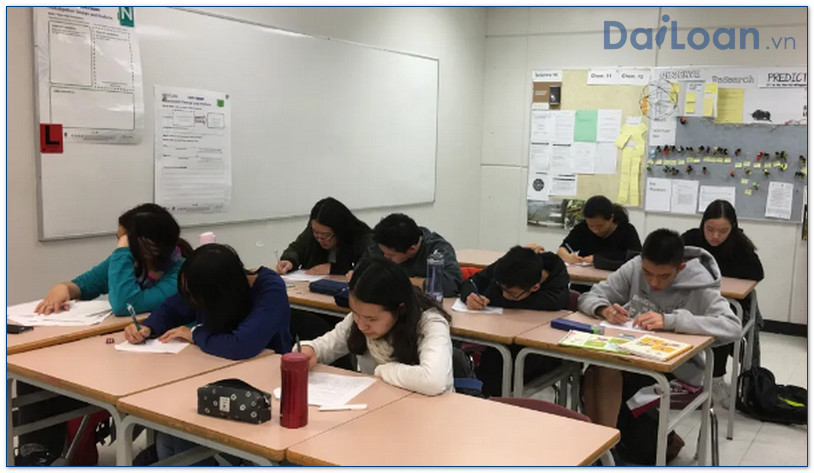
The term 女生 (nǚshēng) is composed of two Chinese characters: 女 (nǚ), which means “female” or “woman,” and 生 (shēng), which translates to “birth” or “life.” Collectively, 女生 (nǚshēng) refers to “girl” or “female student.” In contemporary usage, it broadly encompasses young females, typically those who are still in school or college.
Grammatical Structure of 女生 (nǚshēng)
Structurally, 女生 (nǚshēng) serves as a noun in sentences. In Chinese, nouns usually follow specific patterns regarding their placement and usage. The character breakdown reveals the gender indication and description through context.
Character Breakdown:
- 女 (nǚ)

- 生 (shēng) – Birth or life

Noun Usage:
In sentences, 女生 (nǚshēng) typically appears as the subject or object:
- Subject: 女生在学校学习。 (nǚshēng zài xuéxiào xuéxí) – “The girl studies at school.”
- Object: 我遇到了一位女生。 (Wǒ yù dào le yī wèi nǚshēng) – “I met a girl.”
Example Sentences Using 女生 (nǚshēng)
To further illustrate the usage of 女生 (nǚshēng), here are several example sentences:
Everyday Usage:
- 这位女生非常聪明。 (Zhè wèi nǚshēng fēicháng cōngmíng) – “This girl is very smart.”
- 我们的班上有很多女生。 (Wǒmen de bān shàng yǒu hěn duō nǚshēng) – “There are many girls in our class.”
- 她是一名大学女生。 (Tā shì yī míng dàxué nǚshēng) – “She is a university student.”
Cultural Context:
- 这几位女生参加了比赛。 (Zhè jǐ wèi nǚshēng
- 她是一位善良的女生。 (Tā shì yī wèi shànliáng de nǚshēng) – “She is a kind girl.”

Conclusion
Understanding the term 女生 (nǚshēng) is crucial for anyone looking to engage with the Chinese language and culture. By mastering its meaning, grammatical structure, and contextual usage, learners can enrich their vocabulary and enhance their communication skills within the Chinese-speaking community. Whether you’re conversing with friends, studying, or immersing yourself in Chinese culture, knowing how to effectively use 女生 (nǚshēng) will undoubtedly expand your linguistic capabilities.


Sứ mệnh của Chuyên là giúp đỡ và truyền cảm hứng cho các bạn trẻ Việt Nam sang Đài Loan học tập, sinh sống và làm việc. Là cầu nối để lan tỏa giá trị tinh hoa nguồn nhân lực Việt Nam đến với Đài Loan và trên toàn cầu.
CÓ THỂ BẠN QUAN TÂM
Du học Đài Loan
Lao Động Đài Loan
Việc Làm Đài Loan
Đơn Hàng Đài Loan
Visa Đài Loan
Du Lịch Đài Loan
Tiếng Đài Loan
KẾT NỐI VỚI CHUYÊN
Zalo: https://zalo.me/0936126566
Website: www.dailoan.vn