



Introduction to 露天 (lù tiān)
The Chinese term 露天 (lù tiān) refers to an open-air or outdoor setting. It is commonly used to describe places that are exposed to the sky, such as parks, courtyards, or outdoor markets. Understanding the nuances of 露天 is essential for learners of Chinese, as it encapsulates a variety of contexts from leisure to culture.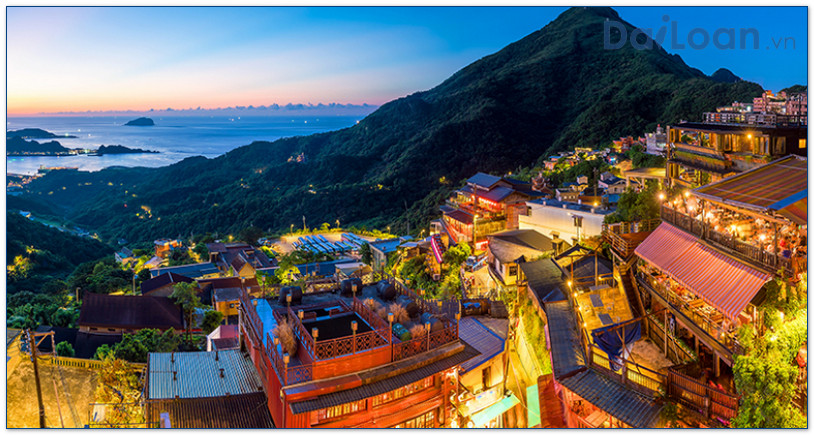

Meaning of 露天 (lù tiān)
In the simplest terms, 露天 translates to “outdoors” or “open-air.” The term is composed of two characters: 露 (lù), which means “to reveal” or “to expose,” and 天 (tiān), meaning “sky” or “heaven.” Together, these characters convey the idea of being in an open space where one is exposed to the elements, particularly the sky.
Contexts of Use
露天 is frequently employed in various contexts, such as:

- 露天市场 (lù tiān shì chǎng) – Open-air market
- 露天剧场 (lù tiān jù chǎng) – Open-air theater
- 露天餐厅 (lù tiān cān tīng) – Outdoor restaurant
Grammatical Structure of 露天
In terms of grammar, 露天 is a noun that can function as a subject, object, or complement in a sentence. It can also be used as an attributive adjective when combined with other nouns. The structure can often be simplified as follows:
Noun Structure
As a noun, it is often used in phrases to describe locations where activities take place:
- 我们在露天市场买菜。 (Wǒmen zài lù tiān shì chǎng mǎi cài.) – We buy vegetables in the open-air market.
Attributive Use
露天 can also serve as an adjective:
- 我喜欢去露天剧场看戏。 (Wǒ xǐhuān qù lù tiān jù chǎng kàn xì.) – I like to go watch plays at the open-air theater.
Example Sentences Using 露天
To deepen your understanding of how to use 露天 in conversation, here are some practical examples:
1. Describing Activities
- 今天的天气很好,我们决定在露天餐厅吃午餐。(Jīntiān de tiānqì hěn hǎo, wǒmen juédìng zài lù tiān cān tīng chī wǔcān.) – The weather is great today, so we decided to have lunch at the outdoor restaurant.
2. Talking About Events
- 今年夏天,城市会举办一个露天音乐节。(Jīnnián xiàtiān, chéngshì huì jǔbàn yīgè lù tiān yīnyuèjié.) – This summer, the city will hold an open-air music festival.
3. Discussing Locations
- 在公园的露天区域,我们可以野餐。(Zài gōngyuán de lù tiān qūyù, wǒmen kěyǐ yěcān.) – In the park’s open-air area, we can have a picnic.
Conclusion
Mastering the term 露天 (lù tiān) not only enriches your Chinese vocabulary but also enhances your understanding of cultural contexts in which outdoor activities and settings are prominent. Use the examples provided to practice your conversation skills, and embrace the beauty of outdoor experiences in Chinese culture!


Sứ mệnh của Chuyên là giúp đỡ và truyền cảm hứng cho các bạn trẻ Việt Nam sang Đài Loan học tập, sinh sống và làm việc. Là cầu nối để lan tỏa giá trị tinh hoa nguồn nhân lực Việt Nam đến với Đài Loan và trên toàn cầu.
CÓ THỂ BẠN QUAN TÂM
Du học Đài Loan
Lao Động Đài Loan
Việc Làm Đài Loan
Đơn Hàng Đài Loan
Visa Đài Loan
Du Lịch Đài Loan
Tiếng Đài Loan
KẾT NỐI VỚI CHUYÊN
Zalo: https://zalo.me/0936126566
Website: www.dailoan.vn